
|
|
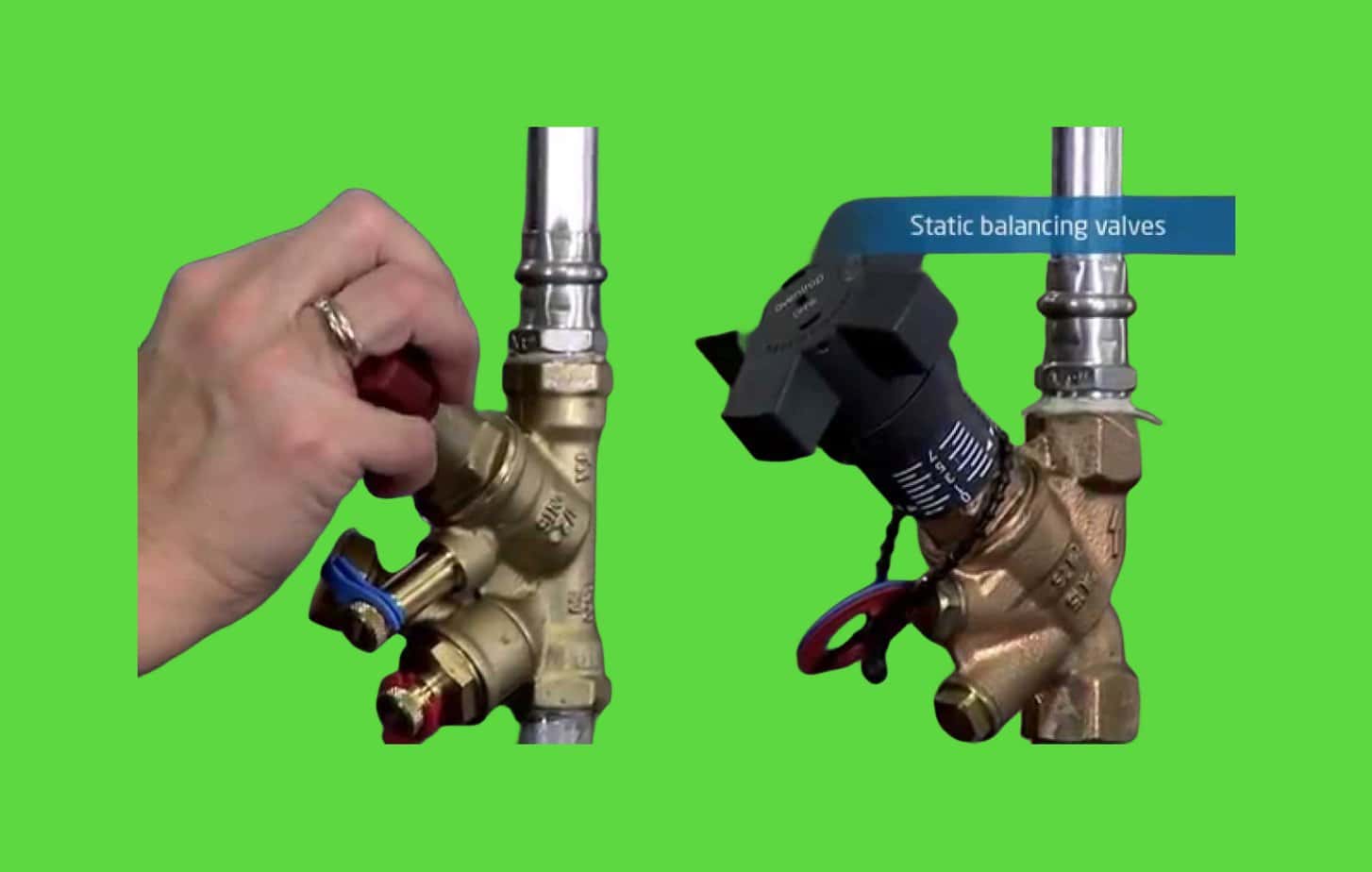
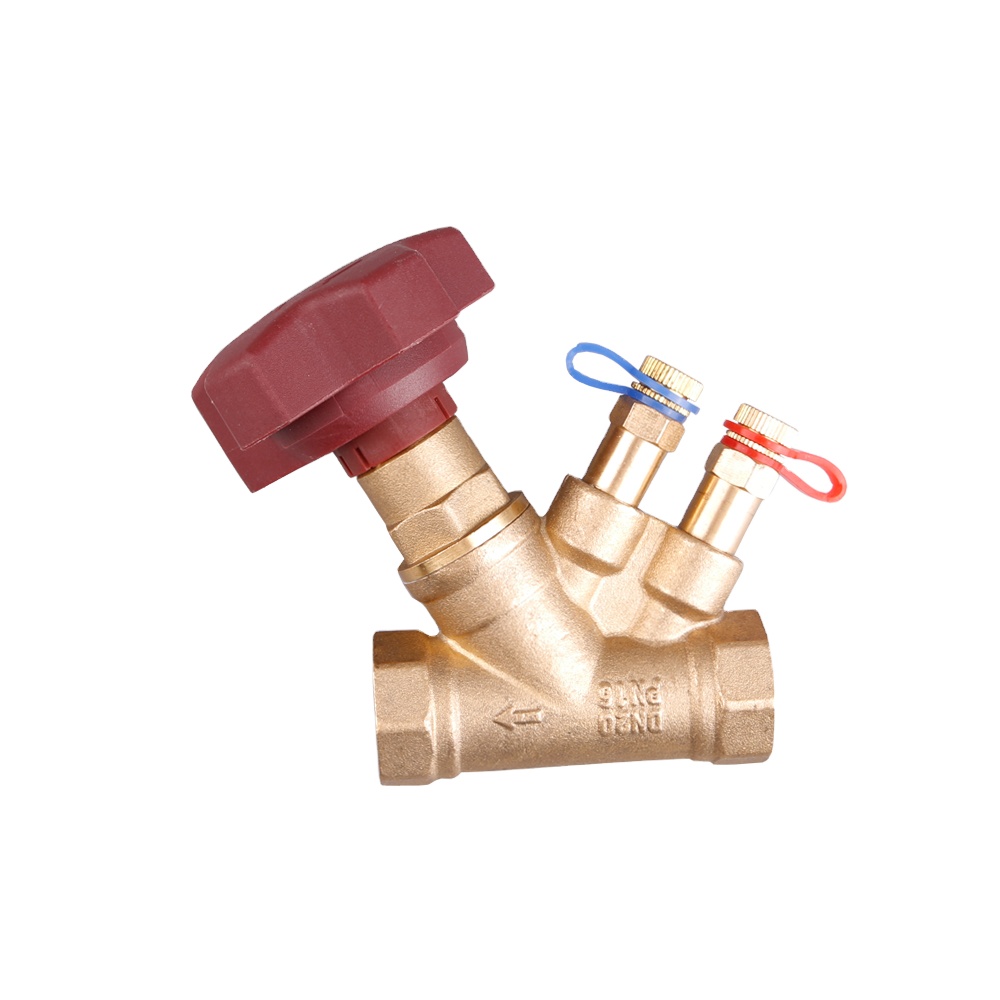
Static Digital Lock Balance Valve
The static digital lock balance valve is a special control valve made to keep hydraulic systems balanced. It has a built-in digital lock and is designed to maintain a stable hydraulic condition. This valve is made with a direct flow body, which improves the path of water inside and gives the valve smooth, equal-percentage flow.
|
|
|
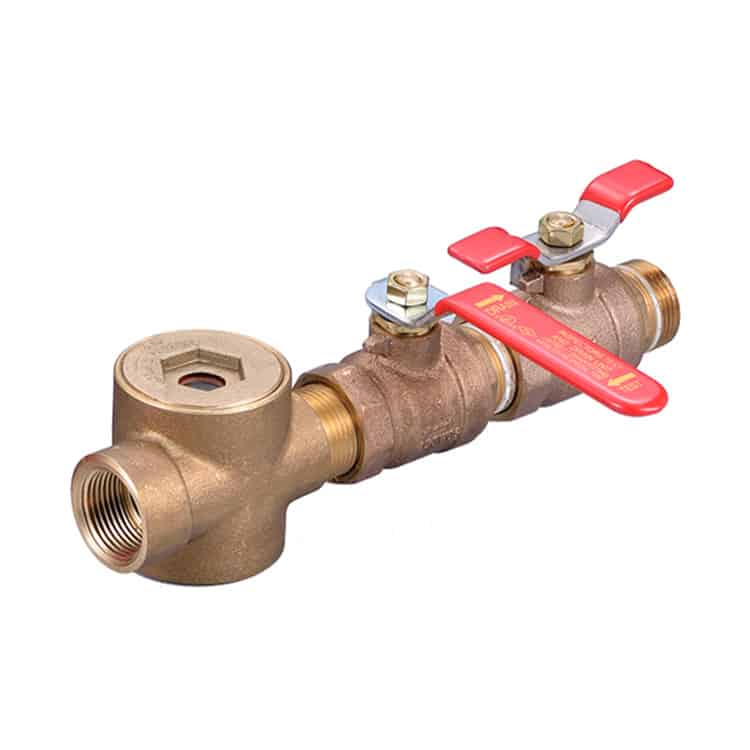
Inspector Test And Drain Valve
This is a special valve that combines a two-lever ball valve, an observation window, and a stop valve in one unit. It is often used in pipelines for checking and maintenance. It can test whether a water flow alarm works properly and can also drain water from the main pipe. It can handle sewage, relieve pressure, and perform other extra functions.
|
|
|
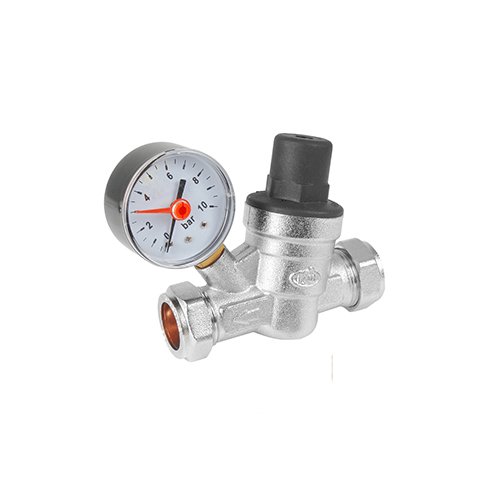
Water Pressure Reducing Valve With Gauge
PRV is a device used to control and reduce water flow or pressure in a system. Its main job is to lower pressure that is too high, which makes the system safer and easier to operate and manage. PRVs help protect pipes and equipment from damage caused by excessive pressure. PRV devices of this type are commonly found in practical applications in piping systems, HVAC, and various types of fluid conveying and control equipment associated with industrial processes.
|
|
|
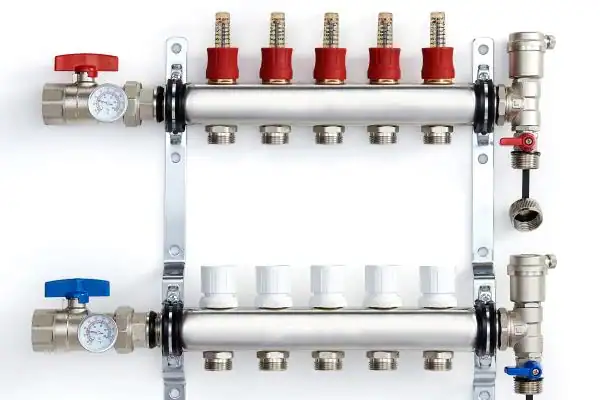
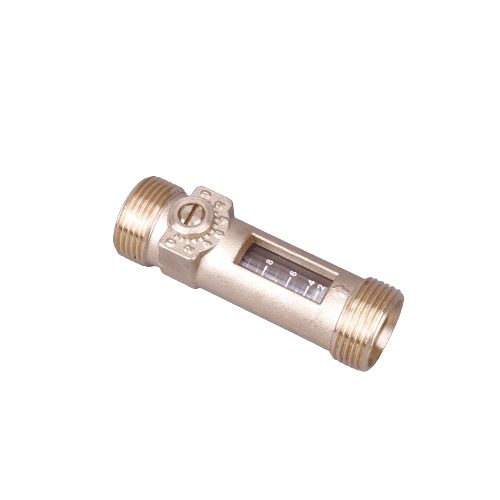
Visual Flowmeter Balancing Valve
The balance valve has a clear sight glass or flow indicator, so you can see the water or fluid flow and check the flow in real time. It can also stop the flow, adjust it, and keep the system balanced. This valve is mainly used in heating and cooling systems, water supply and drainage, industrial fluid transport, and similar systems. The flow in each pipe can be adjusted to match the needs of each branch or device, making sure the whole system works properly and evenly.
|
|
|
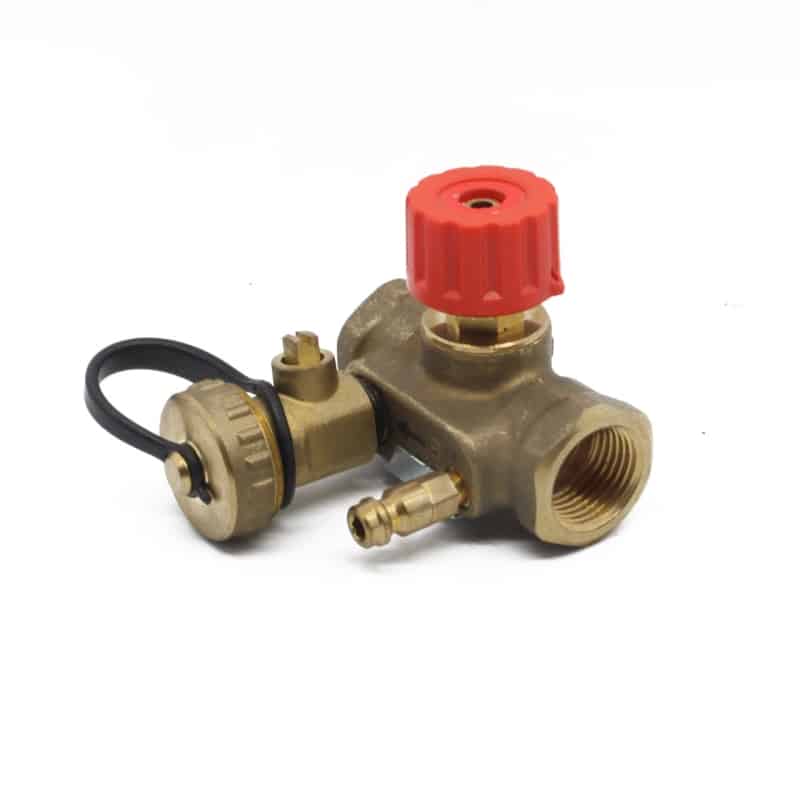
Manual Brass Balancing Valve
A Manual Brass Balancing Valve is a valve used in industrial systems to control flow and pressure by hand, usually by adjusting the valve disc. Its main job is to balance the flow and pressure in each branch of the system. Manually adjusting the valve opening accurately, so as to avoid abnormal operation of the equipment caused by excessive or too small local flow.
|
|
|
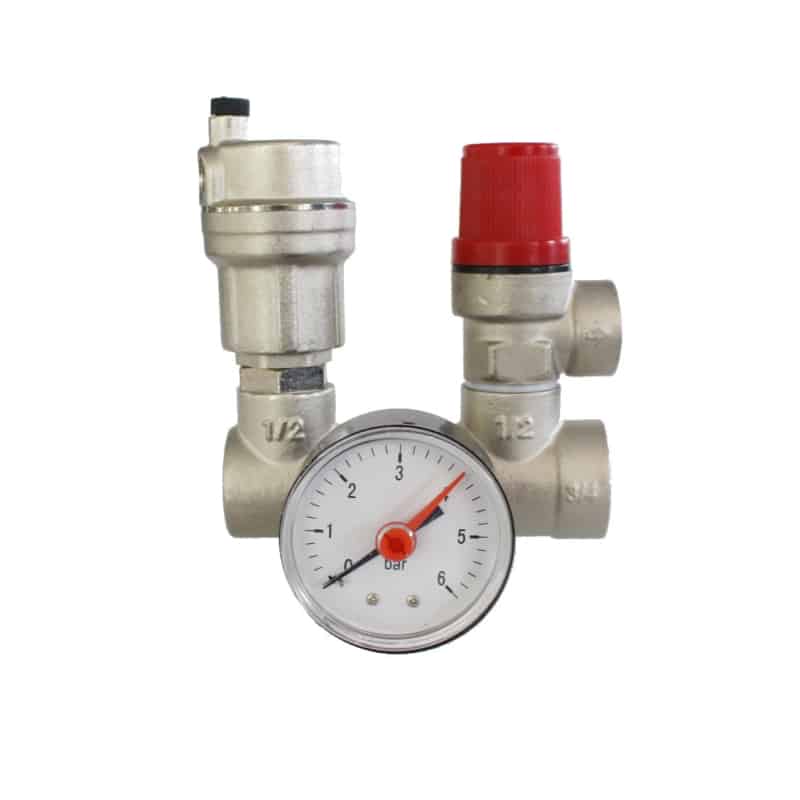
Boiler Safety Valve
A boiler safety valve is a safety protection device installed on boiler equipment. It has automatic pressure sensing and rapid pressure relief functions. The internal steam pressure exceeds the preset safety value due to abnormal combustion, improper operation, or system failure during boiler operation. The valve will automatically open and quickly release excess steam. It automatically closes after reducing the pressure in the boiler to a safe range.
|
1. Do the shower balance valves meet ASSE 1016 anti-scald protection?
Plumberstar’s Shower Balance Valve meets all strict anti-scald requirements of the ASSE 1016 standard. We design, build, test, and inspect this product based on ASSE 1016. It also follows ASME and CSA bathroom safety standards. It provides stable, reliable anti-scald protection for showers.
When water pressure changes, the valve’s built-in precision balance structure reacts quickly. It adjusts to cold and hot water pressure changes fast. If one side’s pressure drops or rises sharply, the outlet temperature won’t change much. It keeps temperature changes within the safe range set by the standard. This stops sudden hot water from scalding you during use.
Every valve is fully tested before leaving the factory. Tests include temperature stability, pressure response, and water cut-off protection. This ensures every valve meets all ASSE 1016 anti-scald requirements.
We can provide test reports and certification documents. This gives end-users full safety guarantees when using shower equipment.
2. What is the difference between balance valves and ordinary control valves?
Shower balance valves are very different from ordinary control valves. They differ in how they work, main functions, safety, and user experience. Most ordinary control valves only turn water on/off and let you mix cold and hot water manually. A shower balance valve is a safety temperature control valve made for bathrooms. It automatically adjusts the water supply to prevent scalding and maintain a steady temperature.
Ordinary control valves let you adjust the cold and hot water mix by hand to set the temperature. They have a simple structure and no automatic adjustment. If you use other water points at home, or cold/hot water pressure changes,the outlet temperature will change a lot right away. You’ll get alternating cold and hot water.
These valves have no safety protection at all. They can’t limit the maximum water temperature. If cold water suddenly stops, hot water sprays out directly. This is very likely to scald you. They’re only good for simple water use, where temperature stability and safety don’t matter much.
Plumberstar’s shower balance valve is different. It has a built-in precision pressure balance or temperature-sensing structure. When cold/hot water pressure or temperature changes, it adjusts automatically and quickly. It keeps the outlet temperature steady in real time. You don’t need to adjust it manually over and over. This gives you a more comfortable, stable experience.
Most importantly, it’s designed strictly to anti-scald safety standards. It has temperature limits and protection if the cold water cuts off. It effectively prevents high-temperature scalds. It’s perfect for places that need safe water — homes, hotels, nursing homes, and more.
3. Do you provide export-related documents for shower balance valves?
Plumberstar can provide full, standard export documents for Shower Balance Valves. These documents cover customs declaration, clearance, channel access, and project acceptance for major global markets. All files follow international trade formats. Overseas customers can use them directly for customs clearance, quality audits, and local compliance filings.
For product compliance and certification, our shower balance valves meet international bathroom safety standards. We can provide official certifications and test reports for different markets.
For North America, we offer ASSE 1016 anti-scald certification, UPC, CSA, and NSF lead-free certificates. For the EU, we provide CE certification and RoHS environmental reports. These are key qualifications to sell and use products locally.
We can supply clear electronic copies or stamped paper versions. They help with local product filing and channel reviews. These documents list pressure test data, sealing test results, material composition, and usage rules. They meet strict requirements from overseas buyers, building material chains, and project clients for quality tracking.
For countries with special customs rules, we help provide the required documents. These include fumigation certificates for wood pallets and local conformity declarations.
We offer a full one-stop service. We help customers clear customs smoothly and avoid goods being held due to incomplete or non-standard documents.

4. Does the shower balance valve have an adjustable hot limit stop?
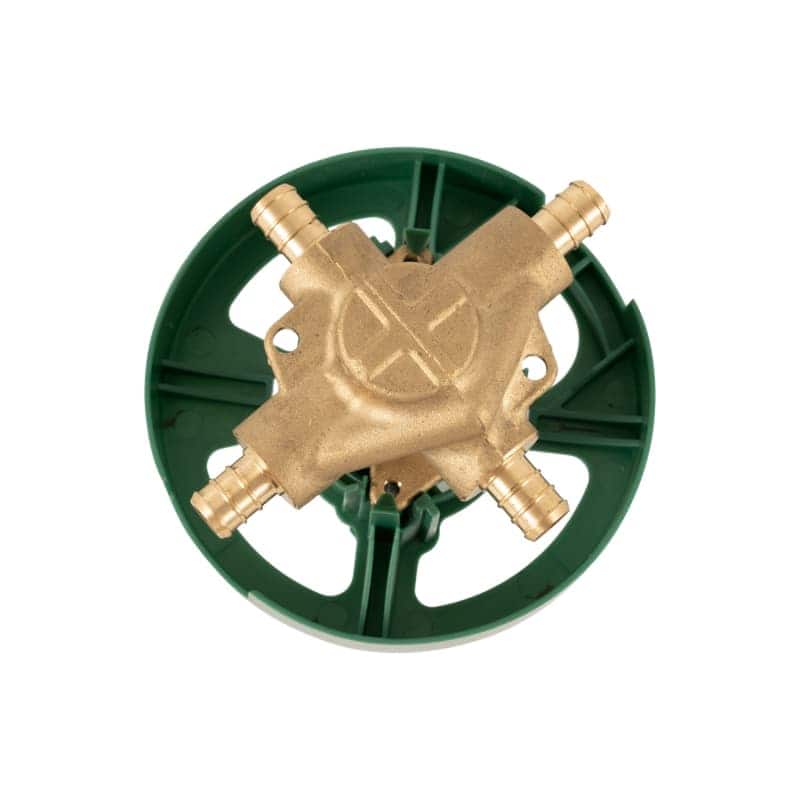
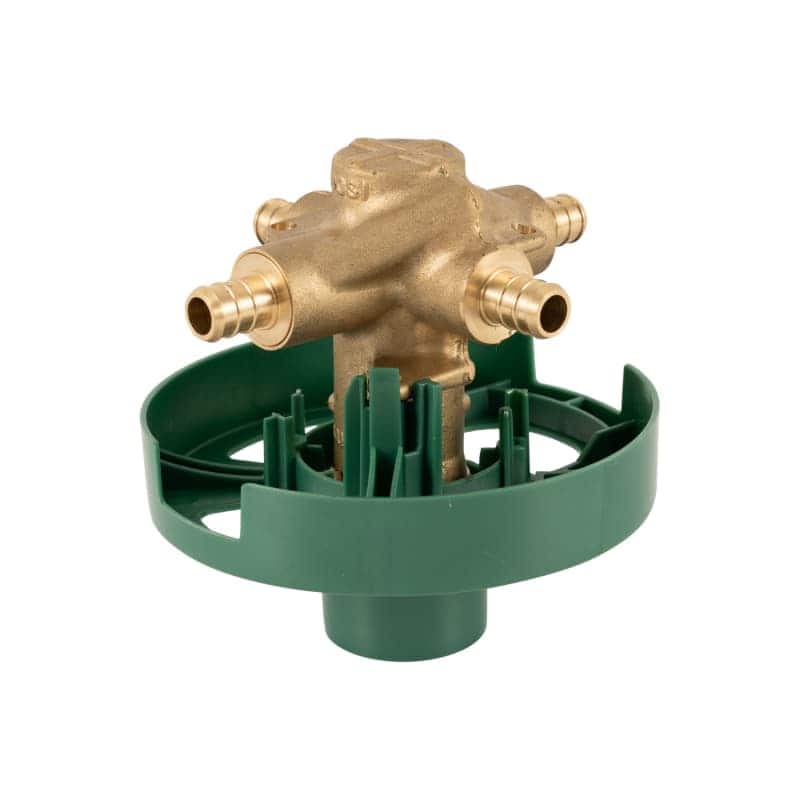
All Plumberstar shower balancing valves come with an adjustable hot limit stop. This is a key safety feature made to meet North American ASSE 1016 anti-scald standards. It’s a standard part on all our shower balancing valves when they leave the factory. You don’t need to buy or install it separately.
This hot limit stop lets installers set the maximum safe water temperature. They do this during installation and testing, based on how and who will use the valve. It stops the valve core from turning too far to the hot side. This prevents scalds from accidental high temperature settings — especially for the elderly and children. It also handles safety risks from changes in the supply water temperature.
Installers can adjust this limit easily with simple tools. Once set, it locks in place. It won’t loosen or move during daily use. The maximum outlet temperature stays steady at the safe preset level.
This meets different families’ or places’ temperature needs. It also follows local bathroom safety rules for anti-scald protection.
5. Can our logo be added to the shower balance valve trim plate?
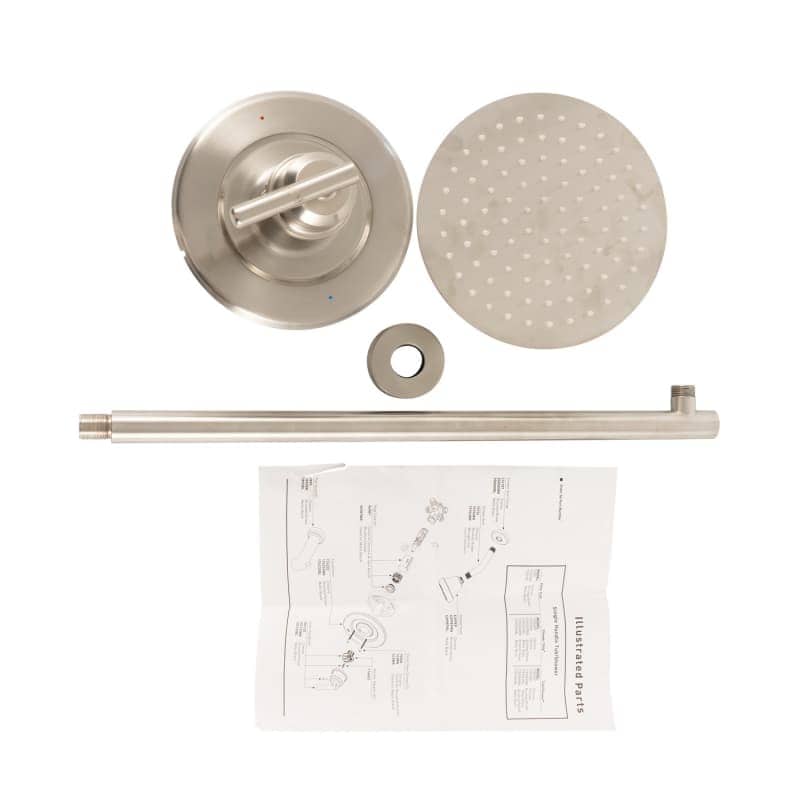
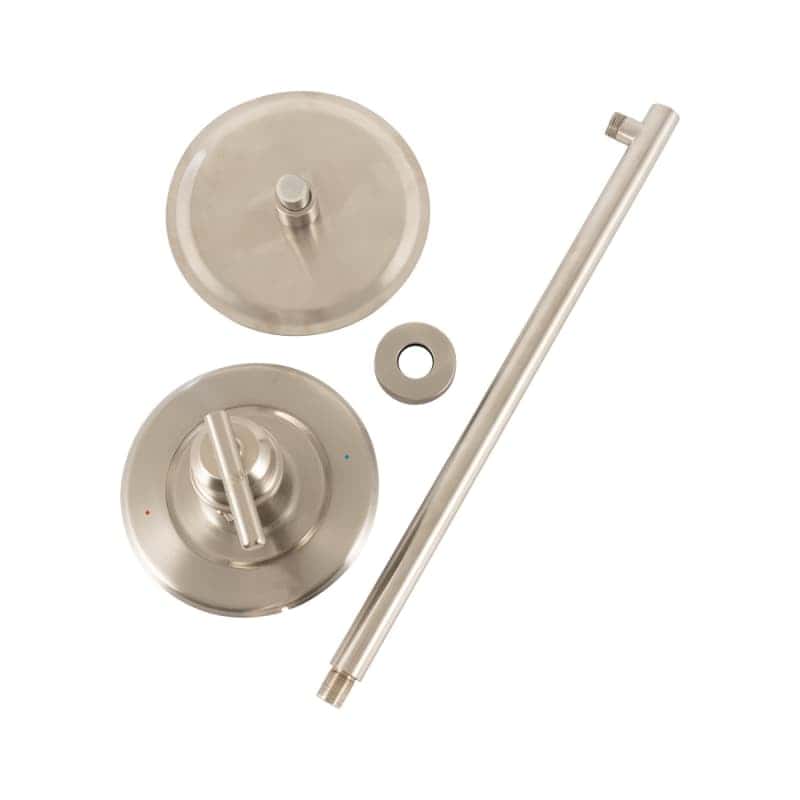
Plumberstar can add your exclusive brand logo to the trim plates of shower balancing valves. The trim plate is the main visible part of the shower valve. We can apply your logo using laser engraving, etched coloring, or fine screen printing, based on your design files.
The logo will be centered and neatly made, with clear and smooth lines. It matches the overall look of the plate. It won’t peel, fade, or have rough edges that scratch hands.
During customization, we take the panel’s material and surface finish into full account. Whether it’s chrome-plated, brushed, or other finishes,logo processing won’t harm the appearance or rust resistance.
We strictly follow your VI standards. We keep font size, ratio, and layout consistent. Every batch of products will look the same.
For bulk customers, we can combine logo customization with full OEM service. This includes logos on the product body, custom packaging, and instruction manuals.
We also keep your logo design strictly confidential. We will not share it with third parties, fully protecting your brand’s intellectual property.
Once you provide standard vector or clear logo files, our engineering team will confirm the layout first. We will start mass production only after sample approval. The final trim plates will fully meet your brand display needs.
6. How to ensure the consistency of the shower balance valves?
Plumberstar has a strict, complete quality control system. It covers raw material purchase, production, key part control, and final product inspection. This ensures every batch, every shower balancing valve is consistent in size, performance, appearance, and use.
For raw materials, we work with fixed, qualified suppliers long-term. We buy the same grade of dezincification-resistant brass bars every time. We also buy core parts like valve cores, seals, and springs from the same sources.
Every batch of raw materials is tested before entering the factory. We check the material quality and size. This stops differences in valve density, strength, or part fit from the start. It ensures all products have the same basic performance.
The pressure balance and temperature control parts are most important for performance. We use standard processes when assembling these parts. All valve cores are adjusted to the same standards — pre-tightening force, limit position, and sealing tightness.
This ensures every valve responds the same way to cold and hot water pressure changes. They have the same temperature stability and hot water limit protection. No valve is more sensitive or slower than the others.
Before leaving the factory, every shower balancing valve gets 100% full inspection. We use special automated testing equipment. Tests include sealing, pressure accuracy, maximum temperature limit, and switch feel.
All test data is recorded and saved. Only products that meet our internal standards and international safety rules can be packaged and stored. This stops unqualified products from reaching the market.

7. Why is Plumberstar a better partner for long-term growth?
Plumberstar is a reliable, valuable long-term partner for your growth. We don’t just sell shower balancing valves. We offer a complete, long-term cooperation system. It covers product quality, customization, supply chain stability, compliance, cost control, and after-sales support. We truly help you expand steadily in overseas markets, engineering projects, and brand channels.
We have strong customization and OEM capabilities. We can customize trim panels, valve logos, packaging, and specs to match your brand. We work with you to build your own exclusive product line. This supports your long-term brand operations.
We keep your designs, logos, and technical plans strictly confidential. This protects your core market competitiveness.
We also focus on long-term win-win cooperation. As your business grows, we offer better price policies, credit support, and exclusive service teams.
We respond quickly to all your needs. This includes product selection, technical support, sample supply, and after-sales problem solving. We help you fix market and installation issues fast.
Many suppliers only care about short-term orders. Plumberstar is different. We work with you to analyze market trends and optimize products. We help you develop shower balancing valves that fit local needs. This makes your products more competitive in local markets.
With stable quality, reliable delivery, full compliance support, and a growth-focused mindset, Plumberstar is your stable, worry-free, long-term high-quality partner.