
|
|
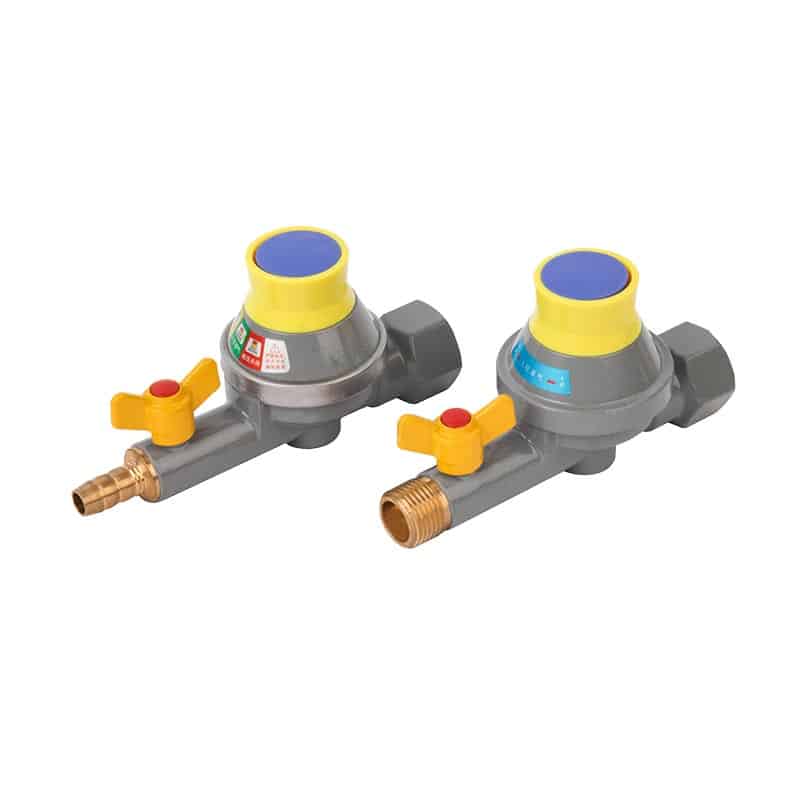
Gas Self-Closing Valve
A gas self-closing valve, also called a self-closing valve, is used in low-pressure gas pipelines. When the pipeline air supply pressure appears underpressure or overpressure, without electricity or other external power, it can automatically close and requires a manual opening device. It needs a manual device to open it again. When installed at the end of a pipe after the gas meter or where it connects to a rubber hose, the valve helps control pressure and safely close the gas flow.
|
|
|
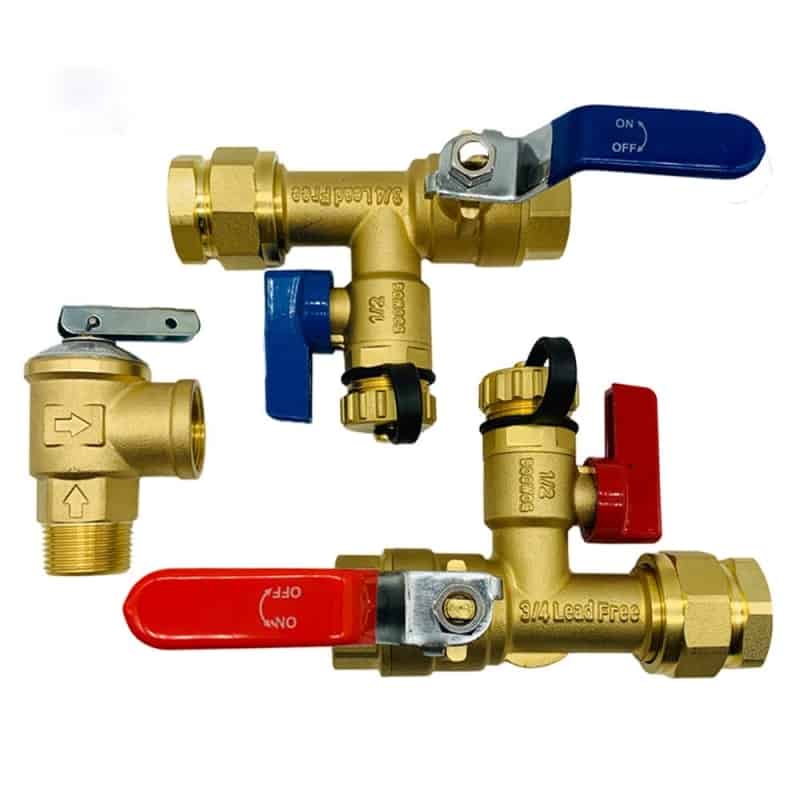
Tankless Water Heater Repair Valve Kit
The Tankless Water Heater Repair Valve Kit is used to repair or replace a failed valve in an instant water heater, solving problems such as valve leakage, switch failure, and abnormal flow control. It can also be used for pipeline cutoff and pressure adjustment during water heater maintenance. And it helps quickly restore the regular water supply and heating functions of the instant water heater.
|
|
|
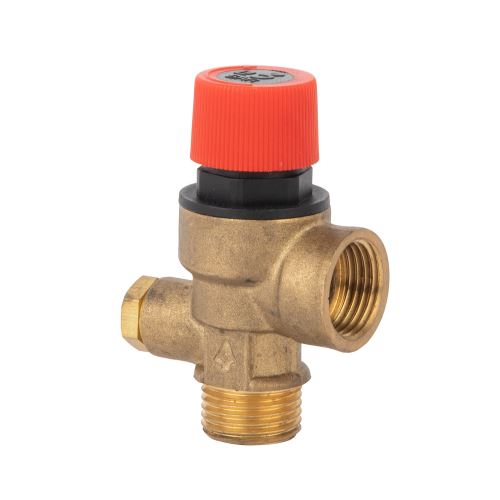
Pressure Relief Boiler Safety Valve
The boiler-specific pressure relief safety valve is a core valve component specially designed for pressure safety protection in boiler systems. It can adapt to the harsh working conditions of long-term high-temperature operation of boilers. It has a pressure-sensing valve core inside. It can prevent accidents such as boiler explosions caused by overpressure. It adopts a straight-through or angle-type structural design.
|
|
|
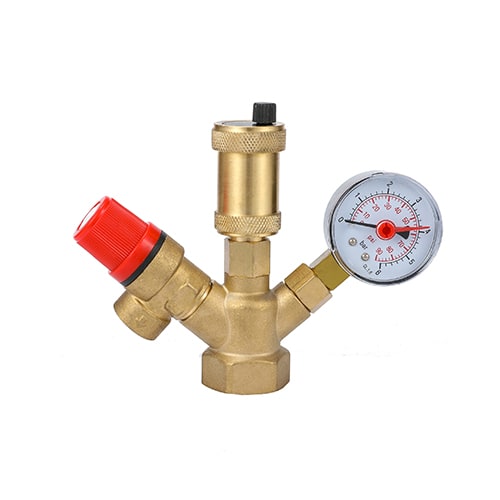
Brass Safety Valve With Manometer
The brass safety valve with a pressure gauge is installed on boilers, pressure tanks, and other equipment or pipelines. The pressure gauge shows the system pressure in real time. This lets you monitor the pressure and protects the equipment from damage or accidents, keeping the system safe and stable.
|
|
|
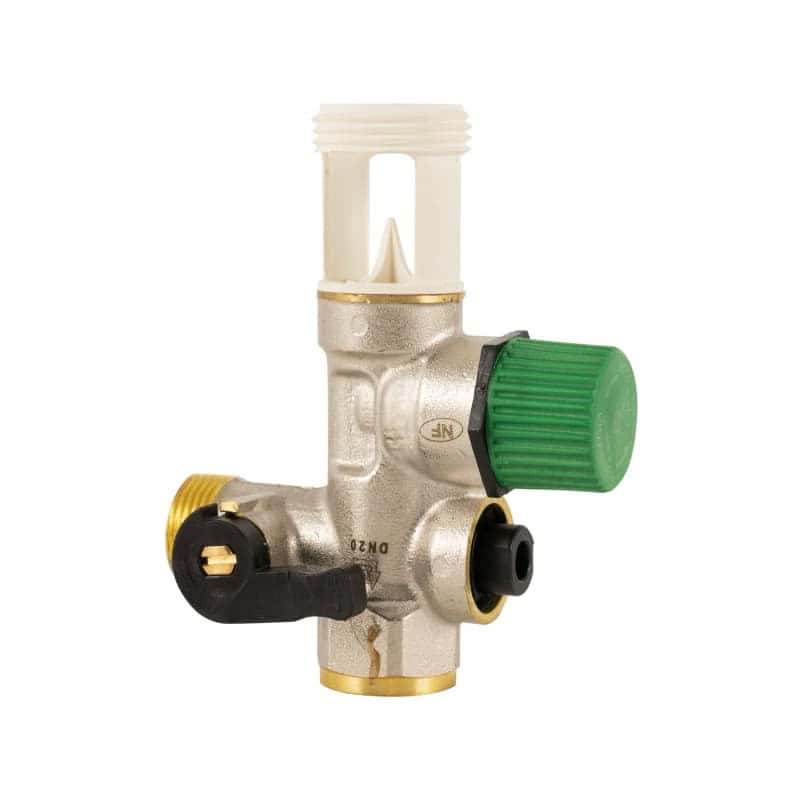
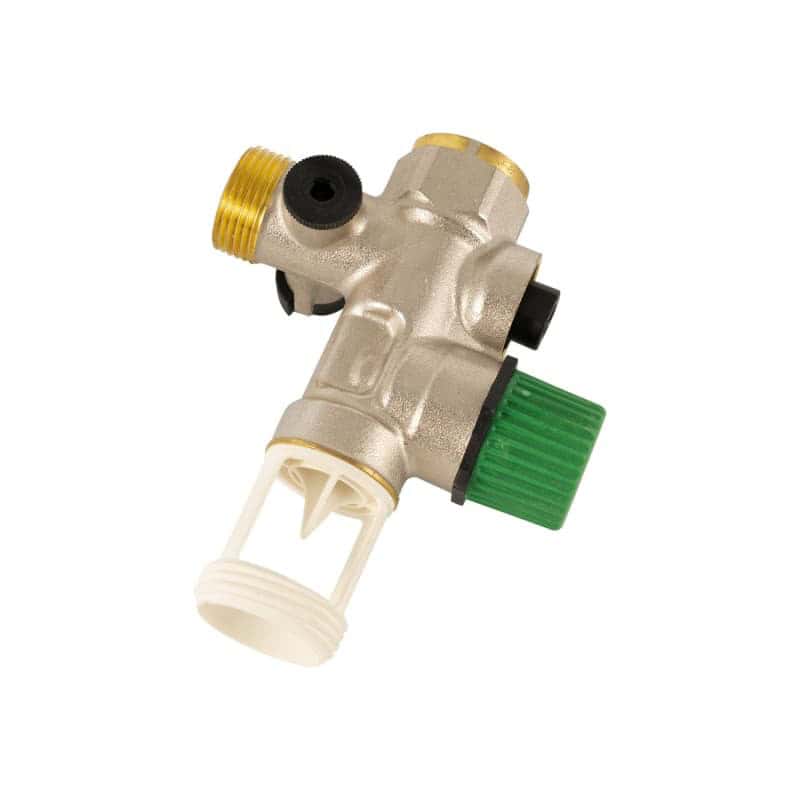
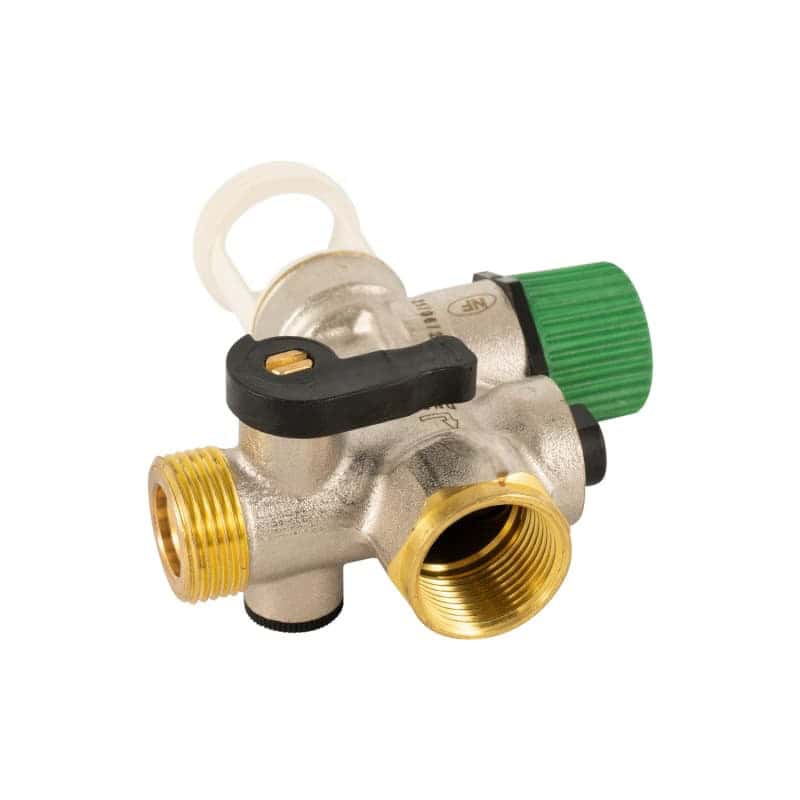
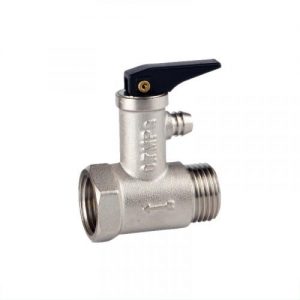
Electric Water Heater Safety Valve
The electric water heater safety valve is to balance the internal pressure of the water heater and prevent pressure relief leakage. The water temperature in the water tank rises to cause the pressure to exceed the preset safety value. It opens to release excess pressure and part of the hot water. This can prevent the negative pressure of the cold water pipeline from causing hot water backflow. When the water supply is stopped, it can also discharge the residual air in the water tank.
|
|
|
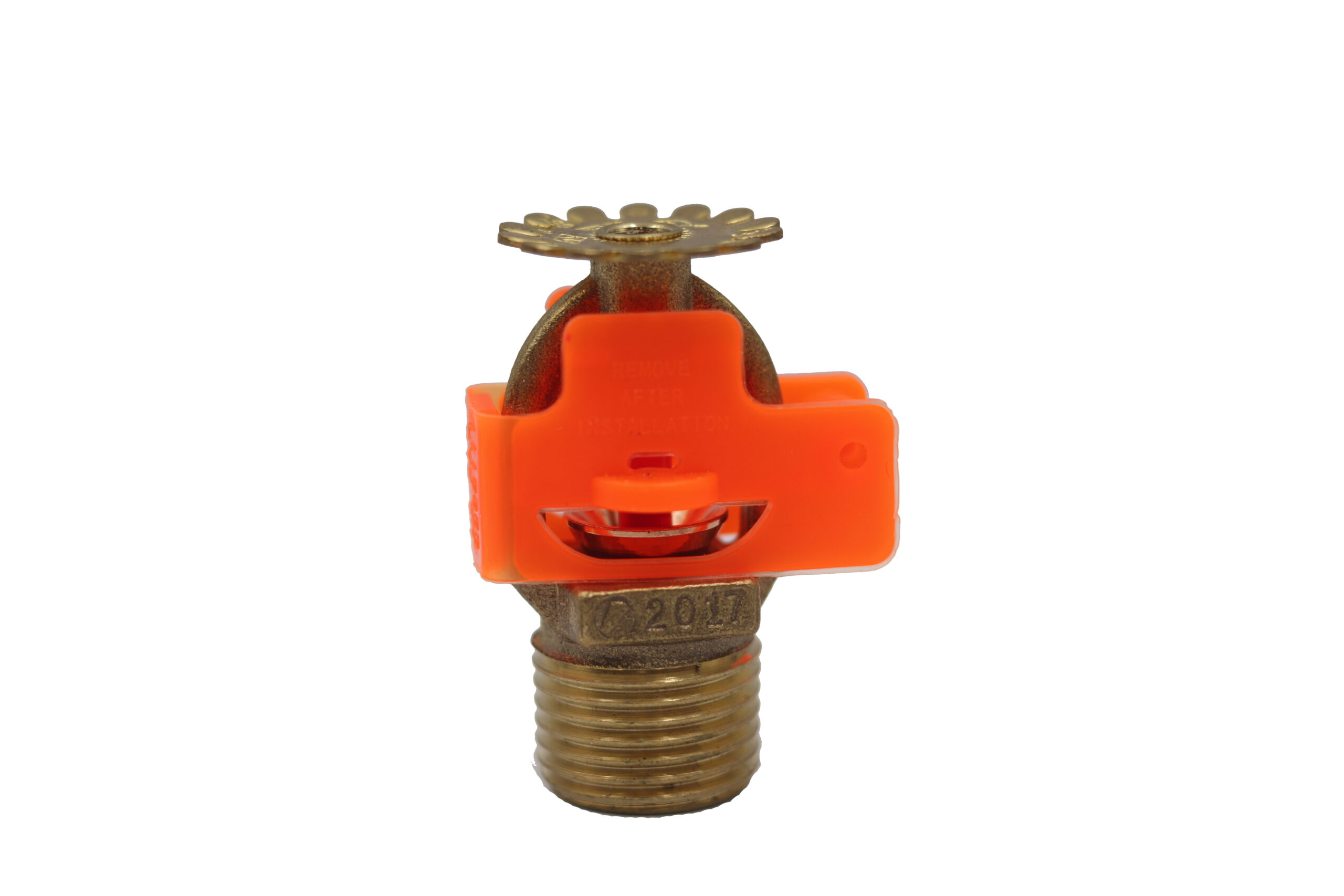
Brass Fire Safety Sprinkler
A brass fire sprinkler is installed in the building’s fire sprinkler system. When a fire occurs, the flame heat makes the sprinkler glass ball crack or the fusible alloy melt. Automatically open and spray water flow according to the preset mode. It covers the fire area to cool down and extinguish the fire, control the fire spread, and buy time for personnel evacuation.
|
1. Are there essential differences in the design of safety groups?
There is a clear difference between them. Boiler parts mainly deal with higher pressure, usually about 3–10 bar, and use seals that can handle high heat. Water heater parts work at lower pressure, around 1–3 bar, and focus more on accurate pressure control and letting air out smoothly. Pressure vessel parts need stronger materials to resist long-term pressure and fatigue, and some must meet ASME BPVC rules.
From jeremy renove
2. Can you customize the safety group valve according to our drawing?
Plumberstar can professionally customize safety group valves based on your drawings. We have a skilled R&D and design team for plumbing valves. We have many years of experience in making combined products. These include safety valves, pressure-reducing valves, check valves, and pressure gauges.
We can understand all technical requirements from your drawings. This includes structure, size, interface, pressure, flow, material, sealing, and appearance. We follow your drawings strictly for development, mold making, sample testing, and mass production.
When customizing by drawing, we first do a full technical check. We review your 2D or 3D files. We check structure, size, pressure, material, and production process. We make sure the product meets your drawing and works safely and stably.
If some details can be improved, our engineers will give professional suggestions. We won’t change your core functions and appearance. We help improve performance, lower cost, or fit mass production better.
After we confirm the drawings and plan, we make samples for you. You can check size, pressure, sealing, and installation. We only start mass production after you confirm the samples are okay. This makes sure the final products match your drawings completely.
Whether you need standard safety group valves for Europe, North America, the Middle East, or Australia, or non-standard models for special working conditions, installation, or pressure, we can produce them exactly to your drawings.
We also help you with full documents. These include international certifications, material reports, and pressure test reports. They meet export customs and project acceptance needs.
3. What is the safety group’s packaging?
Plumberstar Safety Group valves use professional standard packaging for export and long-distance shipping. The design is strong, moisture-proof, pressure-resistant, and collision-proof.
Each valve is first wrapped in a plastic bag. It keeps dust out and prevents surface scratches. Key parts get special protection. We use plastic caps for the valve body, pressure gauge, and threads. It stops thread damage, seal scratches, and gauge vibration during transport. You will receive the product in perfect condition and ready to install.
Inside the box, we use foam, pearl cotton, or custom paper trays. They hold every part firmly in place. Parts won’t move or shift during long shipping.
The outer box is thick corrugated cardboard. It’s hard and pressure-resistant. Product name, model, specs, and pressure are printed clearly. It’s easy for warehouse identification and management.
For export customers, we also support neutral white boxes and kraft paper boxes. It fits your own brand sales. For full-container shipments, we use stronger export cartons. Packing is neat, and quantity is consistent. Boxes are solid and drop-resistant. They stand up to squeezing, handling, and stacking. The whole batch arrives safely.
If you need brand customization, we can print your logo, product info, multilingual text, certifications, and warnings on the boxes. We help you build a complete brand image from product to packaging.
4. What is seals material of the safety group?
Plumberstar Safety Group valves use carefully selected sealing materials. We choose them based on drinking water safety, high temperature resistance, anti-aging, and long-term sealing. All are eco-friendly elastic materials. They meet international plumbing valve standards.
Our standard seal is EPDM. It’s the most common and stable seal in Europe, North America, and other major markets.
EPDM works well in all weather. It resists aging, high temperature, and water pressure. It can work stably for a long time. This includes hot water systems, heating systems, and the home water supply. It won’t harden, crack, or lose elasticity. Temperature changes or long use won’t damage it.
It’s safe for drinking water contact. It passes relevant hygiene certifications. It’s good for places with strict water quality requirements.
For special working conditions or custom needs, we can use NBR or Silicone seals. We choose based on your actual use environment. They meet higher temperature needs, special media, or regional certification standards.
All seals are strictly tested before assembly. Finished products get 100% sealing and pressure tests before shipping.
5. Will the price be adjusted according to the fluctuations of Safety Group materials?
After the first order is confirmed, we will sign a price guarantee agreement. The agreement usually lasts 6 months, and long-term customers can extend it to 12 months. During this time, if you place more orders and the raw material price changes only slightly, the product price will remain the same. If the price of the raw material increases significantly, we will give you at least 15 days’ notice and discuss a new price or order plan.
6. Do you support third-party inspection of the safety group valve?
Plumberstar fully supports third-party testing for Safety Group valves. We cooperate closely with such tests. We treat product quality with transparency, rigor, and compliance.
We accept inspections from third-party organizations you choose. We also work with internationally recognized testing bodies. We test all product items thoroughly. This includes material, pressure performance, sealing, safety, size, and packaging.
During production, we accept in-process inspections. After production, we accept full inspections before delivery. Before shipping, we accept on-site inspections.
We prepare in advance every time. We arrange products, prepare testing equipment, and organize all documents. We fully cooperate with third-party staff. This includes on-site sampling, full inspection, testing, and experiments.
We provide complete technical data, material reports, and factory inspection records. These help third-party institutions conduct audits and tests. They follow your standards, industry standards, or country-specific rules (EU, North America, Australia).
If you need third-party test reports, certification reports, or inspection reports, we fully cooperate in sampling, submitting for inspection, and following up on progress. We make sure the products pass the inspection. This meets your needs for project acceptance, customs clearance, and market access.
7. Is the pressure gauge range in the kit customizable?
Plumberstar Safety Group valve set lets you customize the pressure gauge range. We adjust it easily based on your needs. This includes water supply pressure, heating system pressure, local working conditions, and your specific requirements. It makes the valve fit local use better.
In real use, we can change the gauge range as you want. Common ranges are 0–4 bar, 0–6 bar, 0–10 bar, 0–16 bar. You can also choose psi ranges. All are free to select.
We also support dual scales on one dial: bar and psi. It’s easy for people with different habits to read.
Besides range, you can customize other parts too. Like dial size, connection method, unit marks, and brand logo. This makes the gauge match the valve’s appearance and installation perfectly.
When we assemble, we test the custom gauge with other valve parts. This includes safety parts, pressure relief parts, and pressure-reducing parts. We make sure the pressure display is accurate and seals well. Changing the range won’t affect the product’s performance or stability.