
|
|
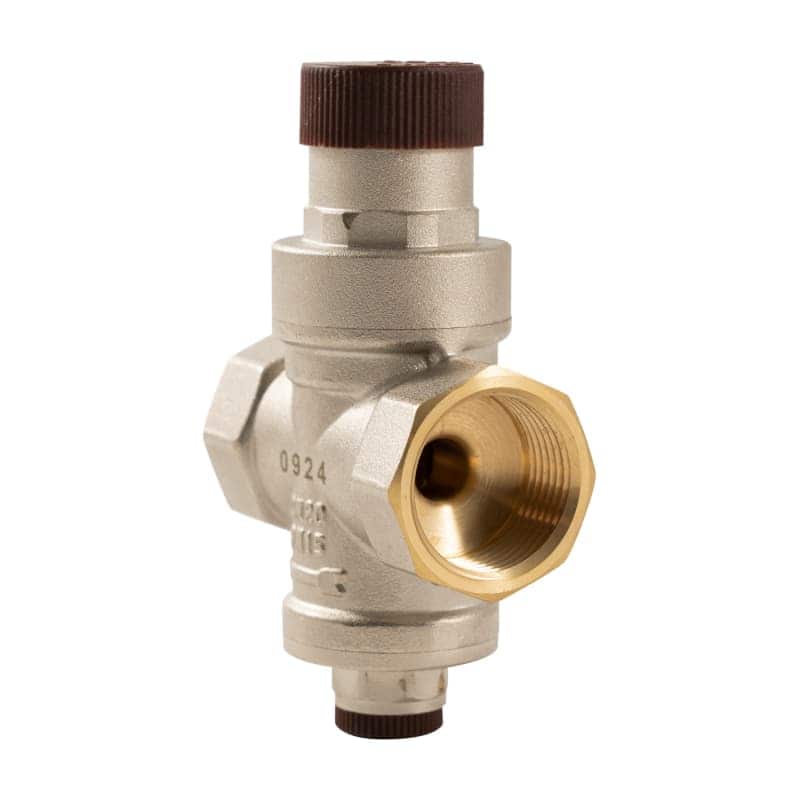
Pressure Reducing Valve
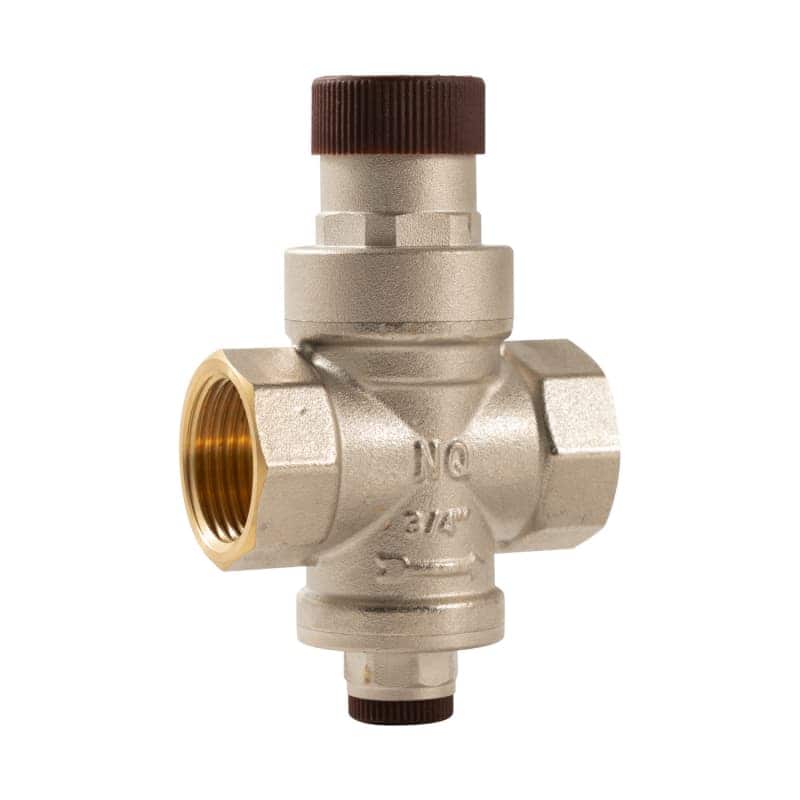
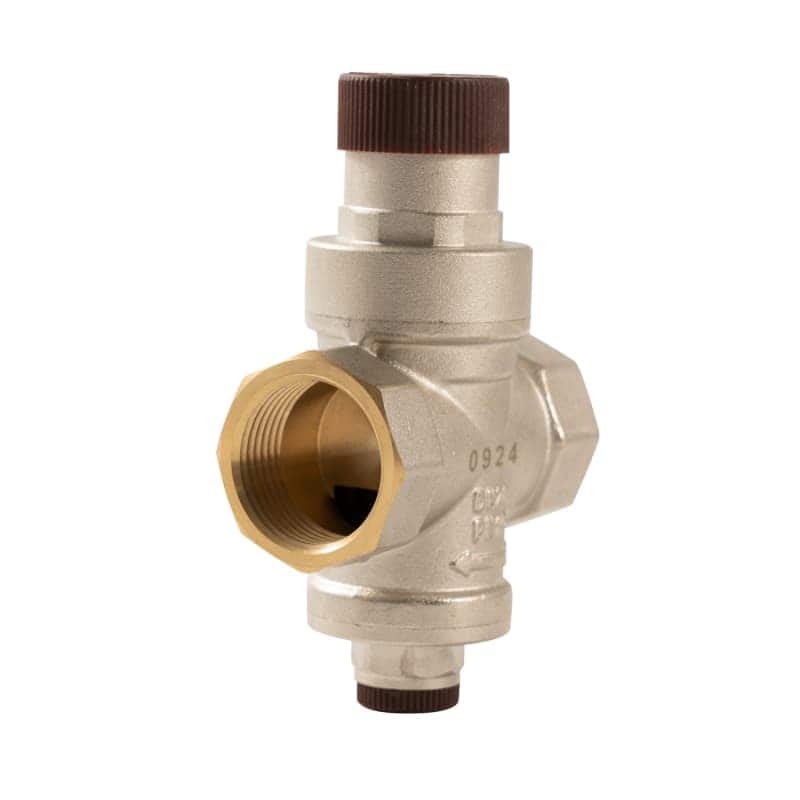
This pressure-reducing valve has an internal pressure-sensing spool. It reacts to outlet pressure and adjusts the valve opening automatically. There’s an adjustment knob on top. Users can set the outlet pressure easily with it. This makes the valve fit different system requirements. It’s commonly used in water supply lines, boiler branch systems, and industrial pipelines.
|
|
|
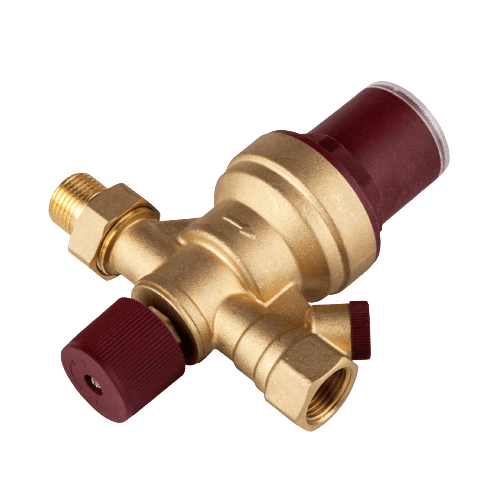
Brass Automatic Boiler Fill Valve This brass automatic boiler fill valve is a pressure-activated water refill device. It’s made for hot water and hydronic heating boiler systems. When the system pressure drops below the set level, the valve opens on its own. It refills water into the boiler automatically. When pressure goes back to normal, the valve shuts off right away. No manual operation is needed at all. There’s an adjustment knob on it. You can set the refill pressure easily with it. It fits different boiler types and system setups perfectly.
|
|
|
Nickel-Plated Radiator Valve
This nickel-plated radiator valve is a three-way flow control fitting used in heating systems. It has three ports and is designed for water distribution and collection in radiator branch circuits. The three-port layout lets it connect the main heating pipe and individual radiators at the same time. This simplifies the pipe setup and avoids the need for extra adapters. The valve allows manual flow adjustment to control how much heat each radiator gives off. It also helps balance the system, reducing uneven heating and keeping room temperatures more stable across the whole system.
|
|
|
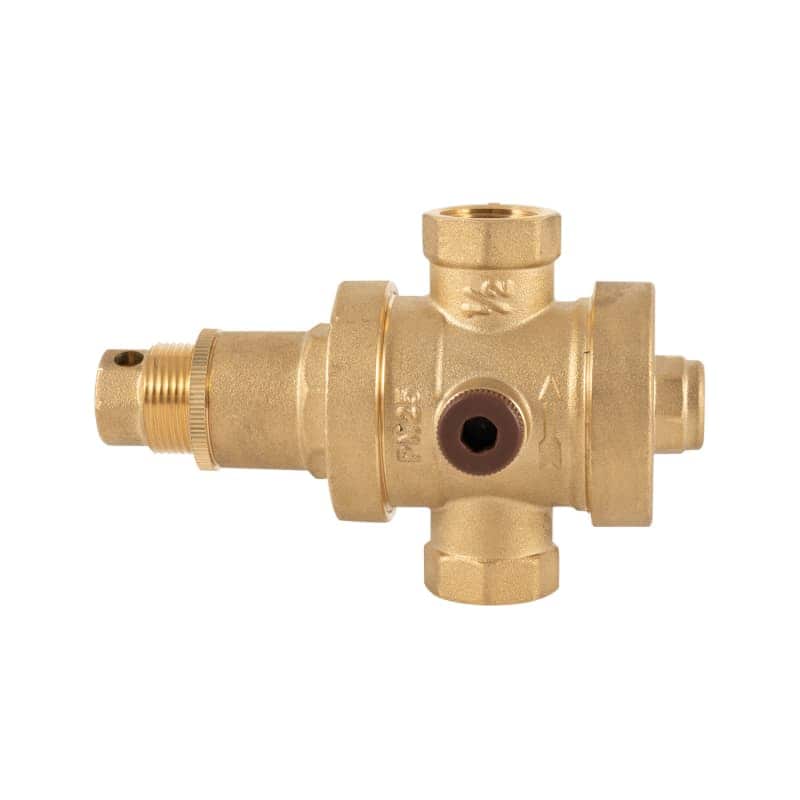
4-Way Fan COil Valve
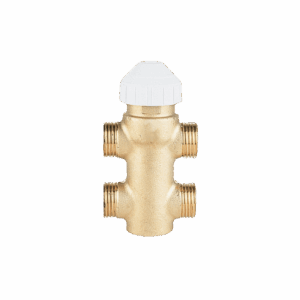
This 4-way fan coil valve is used for water flow control in fan coil unit (FCU) systems. It has four ports that match the water connections between the fan coil and the main pipeline. The four-port design allows it to connect the fan coil inlet, outlet, and the system pipes at the same time. It can open or shut off the water flow, and it also supports flow direction change when needed. A white knob on the top is used for manual control. By turning the knob, the valve opening can be adjusted to control the flow rate and meet the cooling or heating needs of the fan coil. It is a key control component for water circuits in central air conditioning fan coil systems.
|
|
|
Thermostatic Mixing Valve
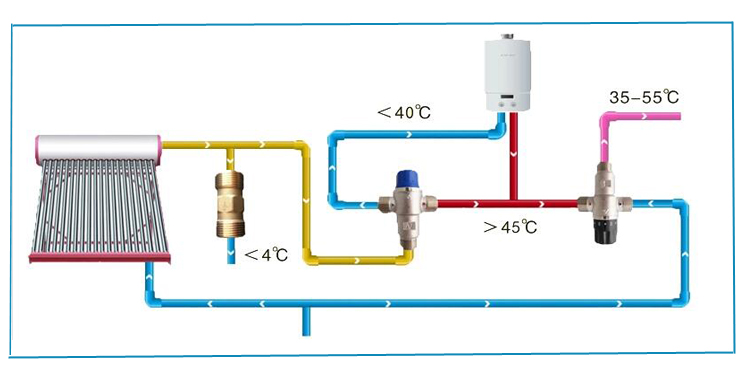
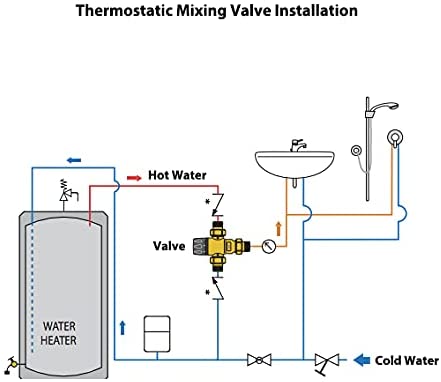
This thermostatic mixing valve controls and stabilizes water temperature. It adjusts the mixing ratio automatically. This keeps the outlet water temperature steady. It also prevents sudden hot or cold water shocks. There’s a control knob on top. Users can easily set the desired temperature with it. It’s usually used in shower systems, underfloor heating manifolds, and similar setups. Stable water temperature makes the use more comfortable. It also reduces the risk of scalding.
|
|
|
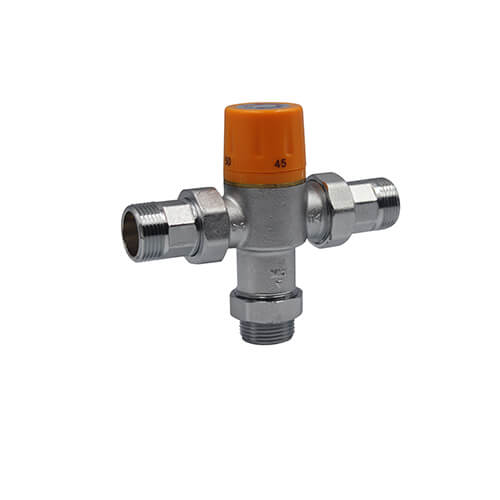
3 Way Thermostatic Mixing Valve
This 3-way thermostatic mixing valve is used to control water temperature in multi-branch plumbing and underfloor heating systems. It outputs mixed water with a stable temperature. Perfect for underfloor heating zones and bathroom systems with multiple water outlets. There’s an orange knob on top. You can turn it by hand to set the needed temperature. It’s a key temperature control part. Great for systems that need a stable and reliable mixed water supply.
|


1. What’s the difference between a pressure-reducing valve and a pressure relief valve?
The pressure-reducing valve is an active device that regulates pressure. It uses the cooperation of the diaphragm, spring, and feedback mechanism. It stably reduces the upstream high-pressure medium to the low-pressure value set for the downstream.
When upstream and downstream pressures fluctuate, the valve core automatically adjusts its opening. It keeps the downstream pressure constant. It’s suitable for continuous operation conditions that need stable low pressure. Like commercial buildings, water supply and pressure reduction are at the front end of industrial equipment.
The pressure relief valve is a passive safety protection device. It stays normally closed. It will only open automatically to release pressure when the system pressure exceeds the preset starting pressure. It closes again when the pressure drops to the safe return pressure.
It has no pressure regulation or stabilization function. Its core purpose is to prevent boilers, pressure vessels, and other equipment from being damaged due to overpressure.
From BEST MECHANICAL ENGINEERING
2. Is a built-in pressure gauge available for the adjustable pressure-reducing valve?
Plumberstar adjustable pressure reducing valve can configure built-in pressure gauges. The gauge range matches the rated pressure of the relief valve. For example, 0–1.6MPa or 0–2.5MPa. The accuracy level can reach up to 1.0. It meets the needs of on-site pressure observation and debugging.
Customers can specify their requirements. You can choose whether to install the built-in pressure gauge. You can also pick the gauge type—single gauge or double gauge. Plus the range and interface specifications.
3. Can pressure be locked after adjusting the adjustable pressure-reducing valve?
Yes, it comes with a special adjusting rod locking cap/locking nut structure. When adjusting pressure, loosen the lock cap or nut first. Turn the adjusting rod until you hit the target pressure. Make sure it matches the reading on the internal or external pressure gauge. Confirm the pressure is stable. Then tighten the lock cap or nut to lock it in place mechanically. This structure uses anti-loosening threads and a damping design. It can resist adjusting rod loosening caused by pipeline vibration or water flow impact. No pressure drift will happen.
4. Is OEM branding supported on the pressure-reducing valve body?
Plumberstar fully supports OEM brand customization on the valve body.
Customizable content includes customer LOGO, brand name, product model, rated pressure (like PN16/1.6MPa), rated temperature, flow arrow, standard number (such as EN 12627, ISO 9001), origin information, and traceability code. You can choose the marking position according to your needs. Options are the front, side, or top of the valve body. All positions won’t affect the valve’s function or the installation area.
5. Is 100% pressure testing performed before pressure-reducing valve shipment?
All pressure-reducing valves go through 100% full inspection pressure tests before shipment.
Each valve must pass a pressure holding test. The test pressure is 1.5 times the rated working pressure, and the test lasts at least 30 minutes. The test medium is clean water. Pressure is monitored nonstop during the whole process. The valve body can’t have any pressure drop, leakage, deformation, or cracks.
Test equipment is calibrated regularly according to the ISO 17025 standard. All calibration records are traceable.
We also test pressure reduction accuracy and pressure stabilization performance at the same time. Adjust the valve to the set pressure first. Then monitor the downstream pressure fluctuation range—it must be ≤±3%. We confirm that the pressure relief function is normal, and no pressure drift occurs. All test results must match the product technical parameters.
6. What is the MOQ for the OEM and ODM adjustable pressure reducing valve?
Our standard MOQ is set at 500 units. For new OEM and ODM partners or trial projects, we provide flexible ordering terms, with a configurable MOQ range of 200–300 units.
7. Can you package the adjustable pressure-reducing valves in custom boxes?
Our packaging offerings extend beyond standard branded boxes: we can craft printed cartons featuring your client’s logo, product specifications, complemented by custom-designed labels that incorporate essential information like technical parameters, installation instructions, or compliance certifications.
8. Why choose Plumberstar as your adjustable pressure reducing valve OEM partner?
Plumberstar, as a professional valve manufacturer, has a dedicated R&D team focusing on fluid control valves. We can customize products according to your needs.
Customizable items include pressure range, interface specifications (like NPT/BSPP/G), flow characteristics, internal or external pressure gauges, pressure lock structure, and other functions. We also provide 2D/3D drawing design, sample making (regular samples take 7–10 days), performance testing, and optimization. All products meet the technical standards of different markets.
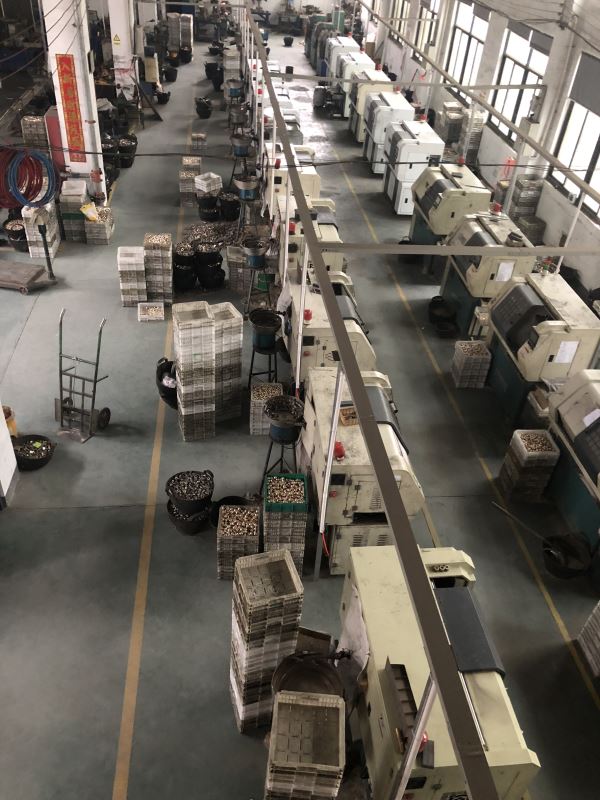
We have automatic CNC machining centers, precision casting lines, and assembly inspection lines. The positioning accuracy of core equipment reaches ±0.005mm. We reserve 15% emergency production capacity. Regular OEM orders have a delivery cycle of 20–30 days. For urgent orders without mold needs, the cycle can be shortened to 10–12 days. This meets the bulk purchase needs of large customers.
9. How experienced is your factory in pressure-reducing valve manufacturing?
Plumberstar factory has been deeply engaged in fluid control valve manufacturing for many years. We specialize in the R&D, production, and customization of lead-free brass pressure relief and regulator valves for OEM/ODM clients.
We have a complete industrial chain layout and over ten years of professional manufacturing experience. We started with OEM production of manual pressure relief valves. Now we independently develop a series of high-end pressure relief valves. These valves feature adjustable functions, pressure lock, built-in dual pressure gauges, differential pressure compensation, and additional capabilities.
We’ve gradually built a product matrix covering civil, commercial, and industrial fields. Our products serve customers in over 50 countries and regions around the world.