
|
|
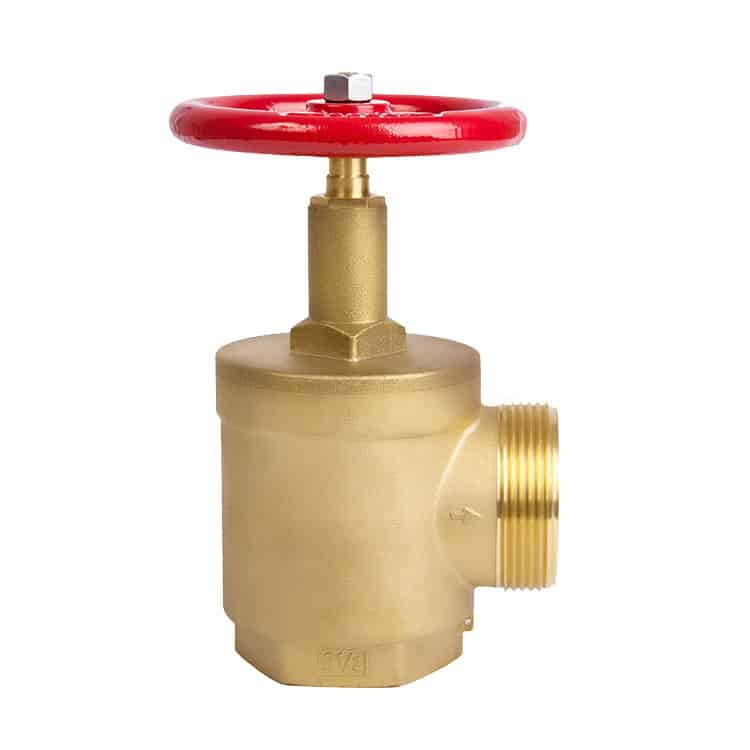
Brass Hydrant Fire Valve
This brass fire hydrant valve is designed for fire water supply systems. It is made of brass and uses a red handwheel to open or close the valve by rotation. The valve can turn the water on and off and also adjust the flow rate. The ports are sized to match standard fire hydrant pipelines, making it a key control valve in fire water systems. An arrow on the valve body shows the water flow direction, helping ensure correct installation and reliable operation during emergencies.
|
|
|
Brass Fire Safety Sprinkler The fire sprinkler head is a key part of automatic fire suppression systems. It’s made to spray water automatically when a fire breaks out. The red liquid inside the glass bulb expands when it hits a certain high temperature. This makes the bulb shatter. Then the water starts spraying right away. It’s installed in places where fire control is a top priority. Like warehouses, industrial buildings, and other similar spots.
|
|
|
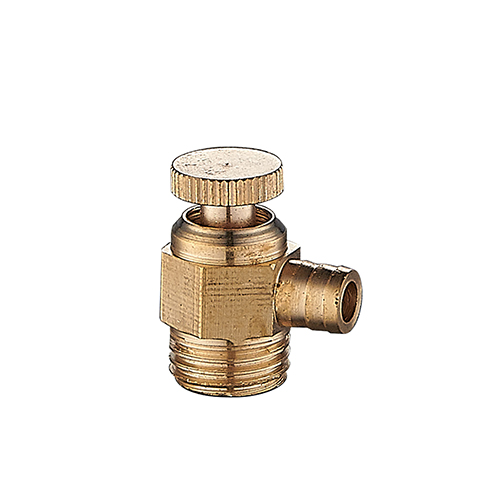
Manual Air Vent Valve Brass
A brass air release valve, also known as a vent valve or air bleed valve, is used to manually discharge trapped air in pipelines or equipment. The knurled knob on the top enables manual operation, allowing excess air in the system to be released and preventing air blockage from affecting fluid flow. It is applied in central heating systems and radiators, HVAC systems, water supply pipelines, and water storage tanks.
|
|
|
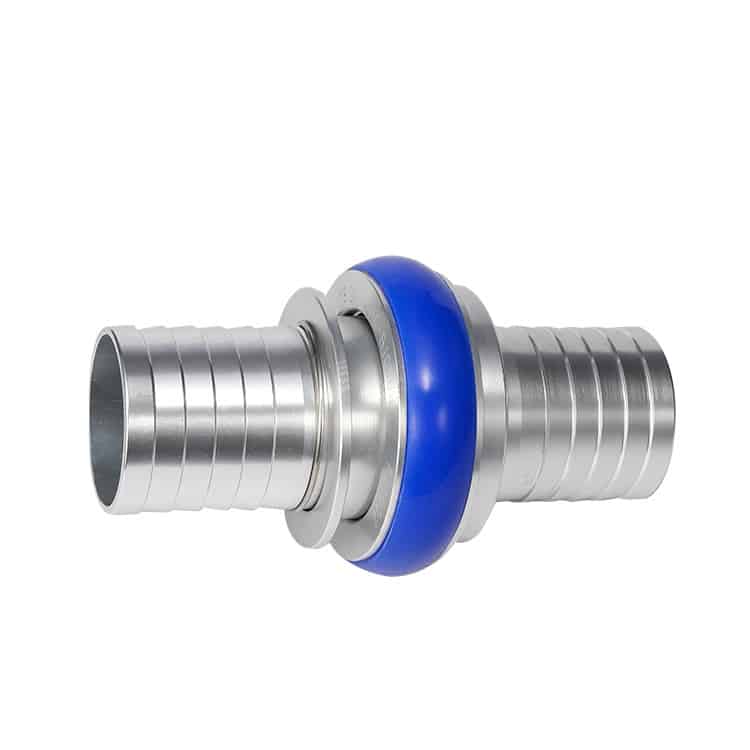
Water Hose Buckle Firefighting Interface
This firefighting water hose buckle coupling is a specialized quick-connect accessory. Engineered for fire hose assemblies in fire protection systems. It features corrugated socket ports at both ends. Paired with a buckle-locking design that enables rapid connection to fire hoses. This fast-acting connection mechanism is tailored to the high-efficiency demands of fire emergency response scenarios. It serves as a critical connection component for fire hoses, fire trucks, and other firefighting equipment.
|
|
|
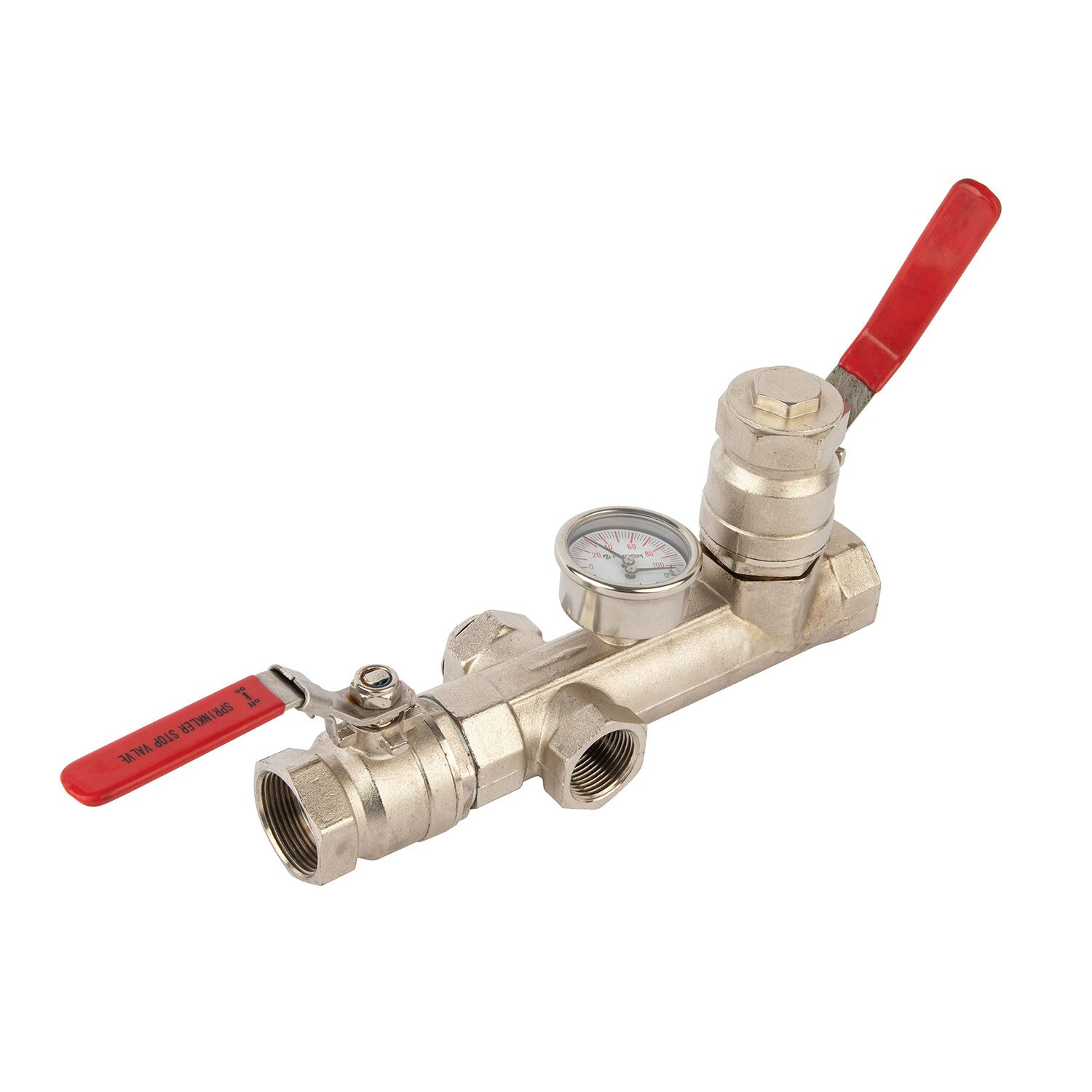
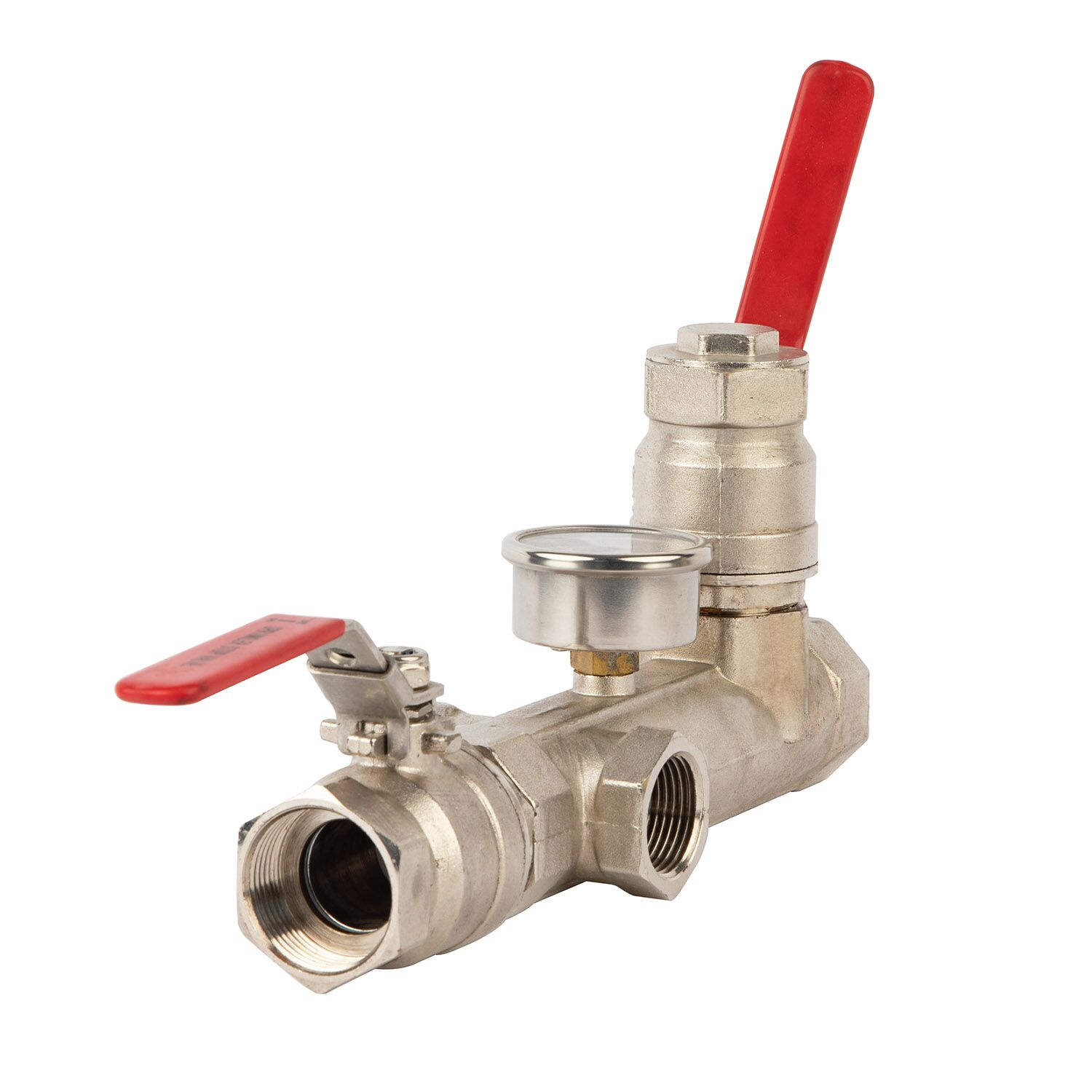
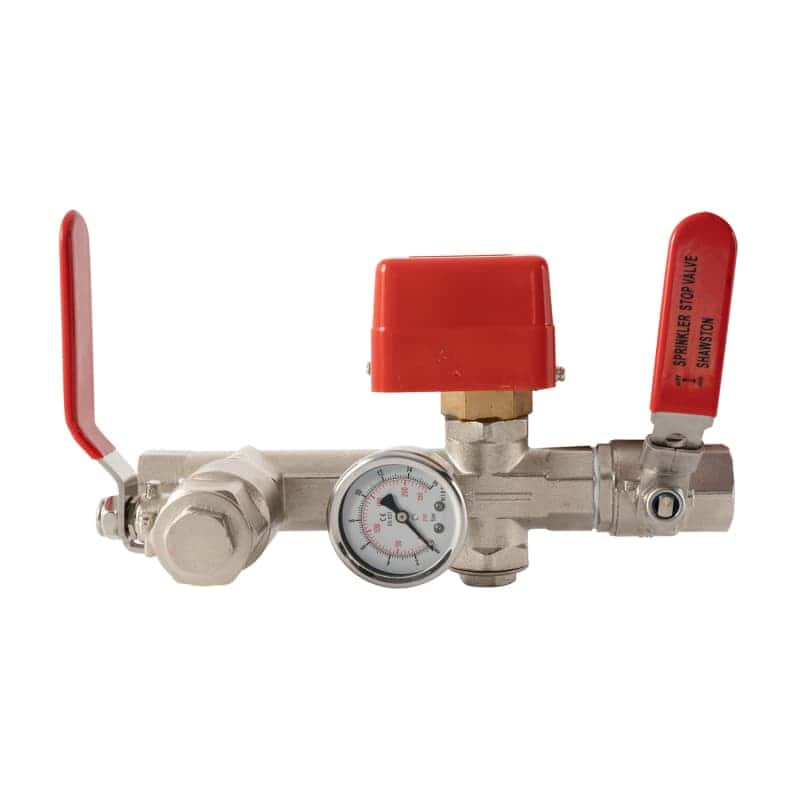
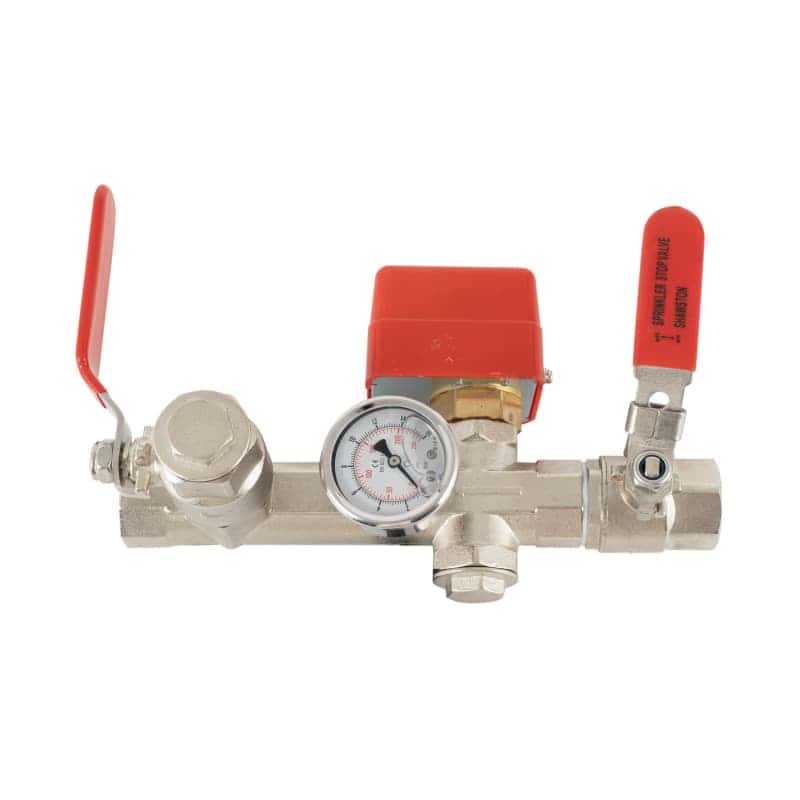
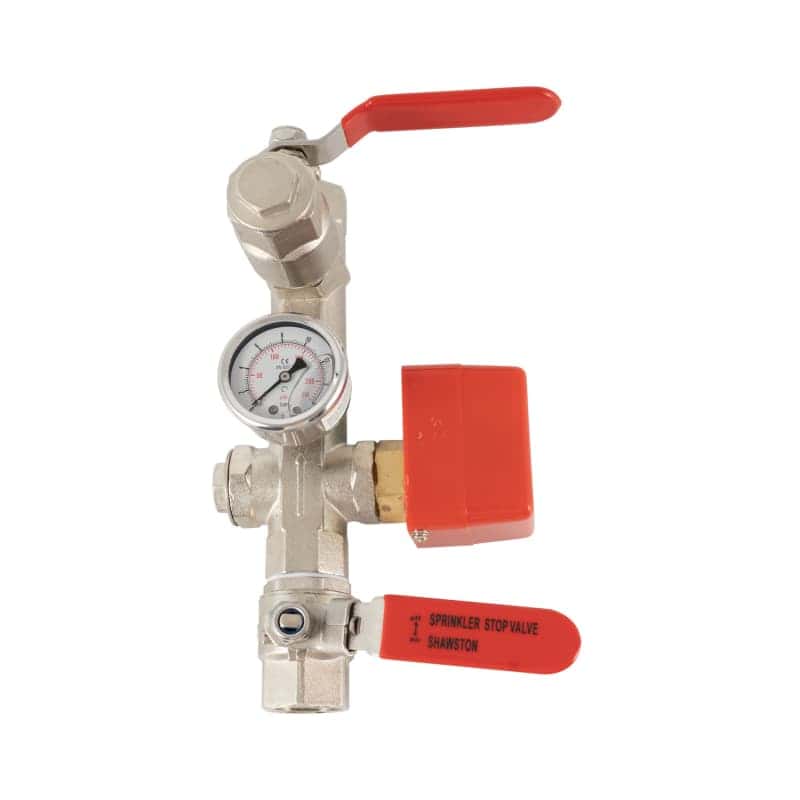
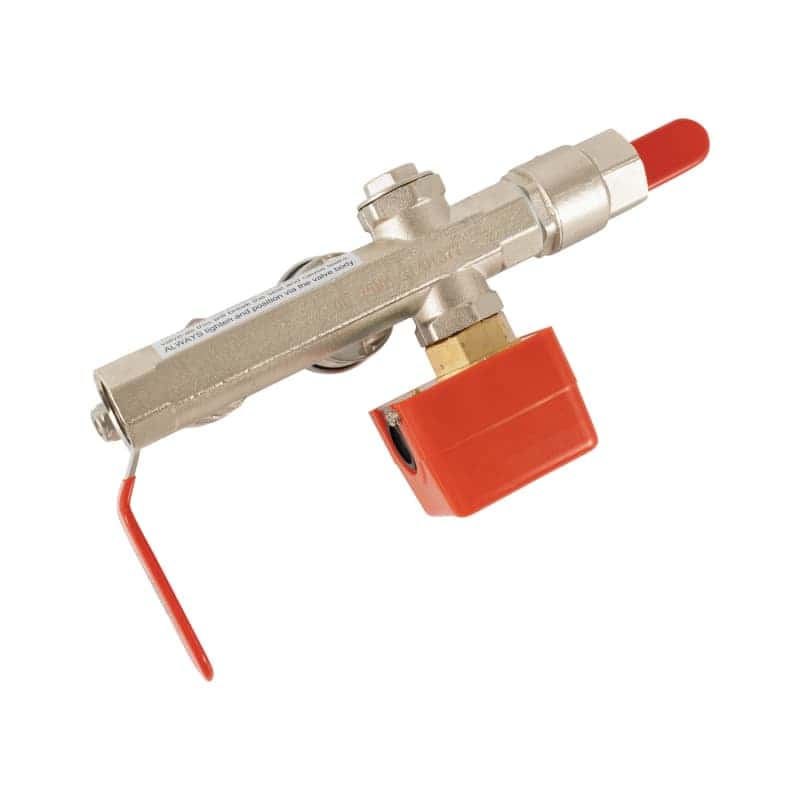
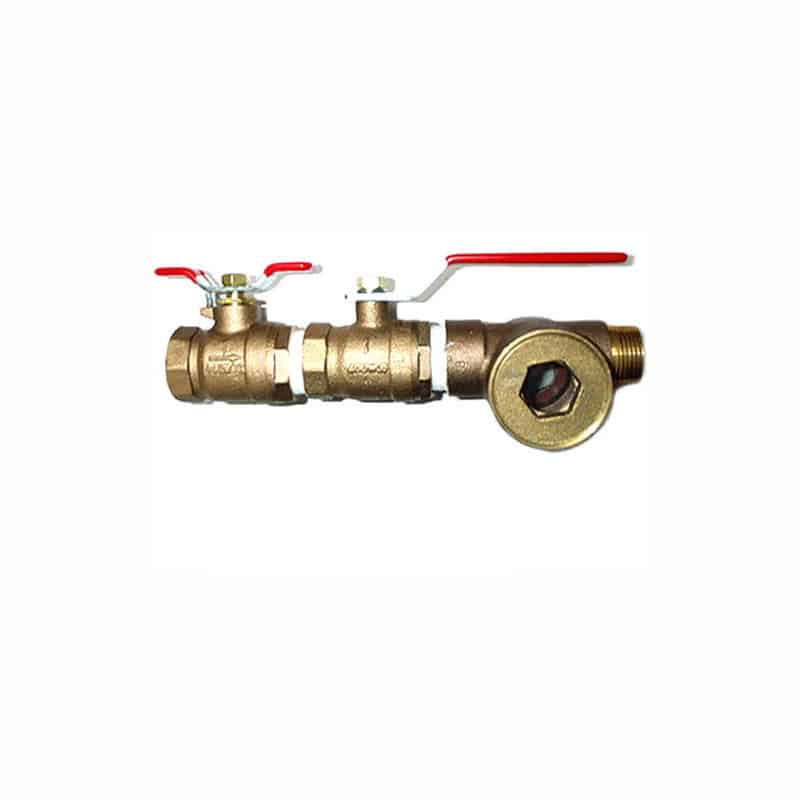
Fire Inspector Test & Drain Valve
This fire inspector test & drain valve is a specialized maintenance auxiliary valve engineered for testing and draining fire sprinkler systems. It integrates multiple ball valves and dedicated drain ports. Operating the red handle enables precise control for pressure testing and functional verification of the fire sprinkler system. As a purpose-built maintenance accessory, it is an essential auxiliary component for reliable fire sprinkler system upkeep.
|
|
|
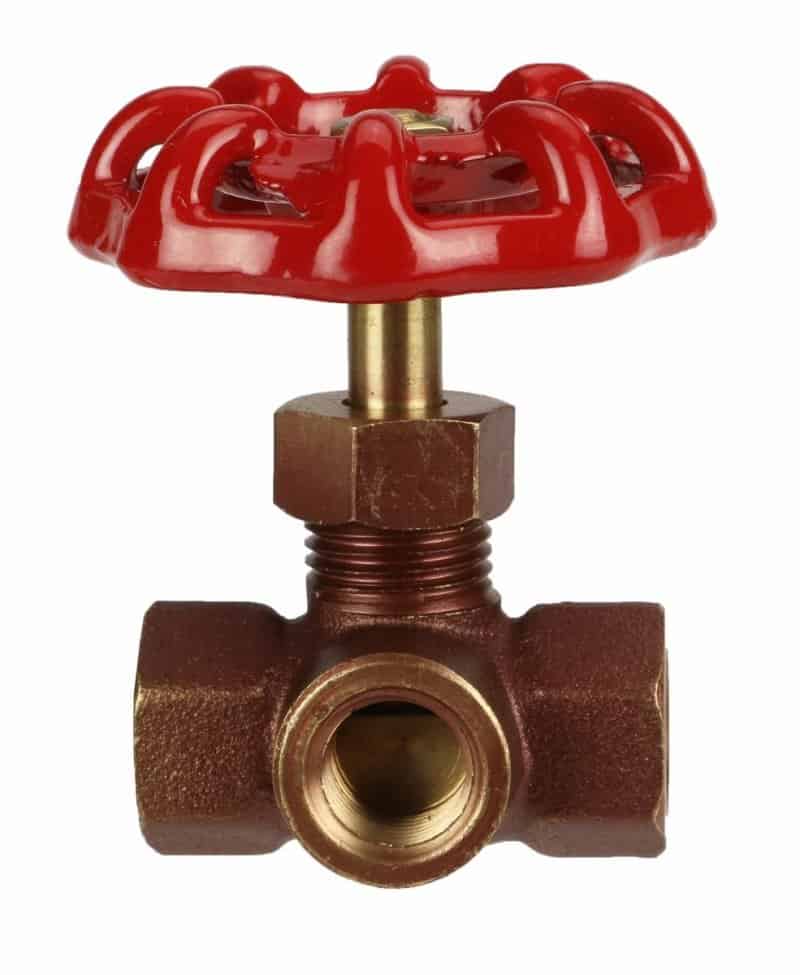
Three-way Stop Fire-hydrant Valve This three-way stop fire-hydraulic valve is a specialized flow control valve engineered for fire protection water supply systems. Featuring three integrated connection ports. It enables seamless branching or merging of firefighting pipelines. Making it ideal for multi-branch fire water supply layouts. A top-mounted red handwheel controls the vertical movement of the valve stem via rotation. Allowing precise regulation of the pipeline on-off status and flow rates. As a critical component, it plays an essential role in the fire water supply system operations.
|
1. How to select a fire protection manifold for fire protection systems?
To choose the right fire protection manifold, you need to check many factors. These include system design pressure, pipe size, flow needs, installation method, and industry standards. You can’t decide based on just one parameter.
First, confirm the rated working pressure of the fire system. Common pressure levels are 1.0 MPa, 1.6 MPa, 2.5 MPa, and so on. The manifold must match these pressure requirements. It must pass pressure and tightness tests. This ensures it won’t break or leak in a fire emergency.
Second, the interface size and connection type must fit the pipes, fire pumps, hydrants, and sprinkler branches on site. Threaded and flange connections are the most common. Make sure installation is easy, the connection is reliable, and future maintenance is simple.
Material is also very important. Fire manifolds are usually made of cast iron or brass. These materials are strong, corrosion-resistant, and shock-resistant. They work well in long-term underground or indoor pipe environments. They won’t rust or age easily, which can affect safety.
The number of outlet branches depends on the layout of sprinklers and hydrants. It must ensure even water distribution and meet fire scene water supply needs.
The product must also follow local fire rules and certification requirements. These include fire product certifications and pressure standards. They are necessary for project acceptance and legal use.
2. Can you customize the fire protection manifold according to our drawing?
Plumberstar can fully customize fire protection manifolds based on your drawings. This includes 2D engineering drawings and 3D models. Our technical team will complete a full technical review and adjust the design for production. We will make non-standard parts strictly according to your requirements for size, structure, pressure rating, and connection type.
Fire systems need high strength and safety. We will offer practical improvements for production and structure,without changing your main design.
Once the technical plan is confirmed, we will make new molds or adjust production processes. The whole production follows your drawings closely. This includes raw material cutting, forming, precision machining, and surface treatment.
After production, we perform tests according to fire safety standards. These include the hydrostatic test, the strength test, and the tightness test. We will provide official test reports.
We also have strict rules to protect your intellectual property. We will not use your exclusive design for other customers or share it with others.
For long-term project customers, we can keep your molds and support stable mass production. We have rich experience in casting and machining.
3. What’s the difference between fire protection and regular industrial manifolds?
Fire protection manifolds are very different from ordinary industrial manifolds. They differ in design standards, materials, pressure ratings, safety, and testing rules. They are for different uses and cannot be substituted freely.
- First, their standards and safety levels are different. Fire manifolds must follow strict national and international fire product rules. They are designed for extreme emergencies. They must stay reliable in fires and high-pressure water supply. They are key safety parts. Ordinary industrial manifolds only need general industrial standards. They are used for cooling water, circulating water, and normal fluids. Their safety and required rules are much lower than fire-grade products.
- Second, pressure and strength requirements are very different. Fire systems create sudden high pressure when pumps start. Fire manifolds usually resist 1.6MPa to 2.5MPa or higher. They must pass strict strength and pressure tests. This prevents bursting or leaking. Most industrial manifolds are for low or medium pressure. Their strength only supports daily stable use. They cannot handle the sudden high pressure in fire systems.
- Materials are also clearly different. Fire manifolds use strong, tough, long-lasting materials. These include thick forged brass, ductile iron, or carbon steel. Some get special anti-corrosion and anti-stress treatment. They work well even after long periods of not being used. They won’t fail from rust or becoming brittle. Ordinary industrial manifolds focus more on cost and basic compatibility. Their material thickness and strength are average. They work on continuously running fluid systems. They are not fit for long-idle, emergency-use fire environments.
Also, fire manifolds are key for fire safety inspections. Every batch gets 100% pressure and tightness testing. These are required for project fire acceptance.
4. Can the color coating of the fire protection manifold be customized?
Yes, Plumberstar can fully customize the surface coating color of Fire Protection Manifolds. We can adjust surface treatment and spray color to match your brand, project needs, industry rules, or pipeline identification.
For fire protection use, we usually use red coatings that follow industry standards. Red is highly visible and meets fire equipment identification rules in most regions.
The coatings use industrial-grade paint. It resists high temperature, aging, and stays firmly attached. After professional spraying and drying, the finish is even and attractive.
It also protects the valve body well indoors and outdoors. It works in humid or slightly corrosive conditions, preventing rust and wear. It meets the appearance and identification requirements for fire project acceptance.
If you have specific color needs, we can match them exactly. This includes custom colors from your VI system, different colors to tell pipelines apart, or colors required by the project.
We can mix paint accurately based on your color cards or Pantone numbers. Whether you want standard red, silver, or any custom color, we can provide a stable, consistent spray finish.
5. How to choose a reliable manufacturer for the fire protection manifold?
To choose a reliable fire protection manifold manufacturer, you need to check many things. These include production qualifications, technical strength, quality control, and after-sales service. Only manufacturers that meet strict fire industry requirements can ensure project safety, smooth acceptance, and long-term stable use.
First, check if the manufacturer has complete qualifications and certifications. Regular fire product manufacturers must have qualifications that follow fire rules. Their products must pass pressure tests, material certifications, and necessary fire product certifications.
Plumberstar has long produced fluid control and water distribution products. We follow strict quality control processes. All fire manifolds are made to high standards and inspected throughout production. We can provide full qualification documents and test reports. This meets the requirements of all kinds of fire projects.
Second, look at production and R&D capabilities. A reliable manufacturer needs mature production processes, precision equipment, and a professional technical team. They should design standard and non-standard products based on drawings or working conditions. They need rich experience in structure, flow channel design, and pressure resistance. This avoids safety risks from design flaws.
Quality control is also key. Fire products are related to people’s safety and property. Manufacturers must inspect every step — from raw materials entering the factory, production and processing, to delivery.
Every fire manifold must pass 100% pressure, tightness, and strength tests. Sampling inspection is not enough. This stops unqualified products from reaching the market.
Plumberstar has strict internal quality checks. We keep detailed records from raw material inspection to finished product delivery. We provide full documents, like MTC material reports and pressure test reports. We can track every product batch, ensuring full reliability.
Finally, good after-sales service and technical support are necessary. Plumberstar, as a professional manufacturer, provides helpful selection guidance before purchase. We track production progress during sales. After sales, we can help solve installation, testing, and acceptance problems.
6. How is quality consistency maintained across fire protection manifold batches?
Plumberstar signs long-term strategic cooperation agreements with top steel and copper plants. We lock in brand and material standards for core raw materials such as 304/316L stainless steel, carbon steel, and lead-free brass.
We also maintain a 60-day safety stock. This avoids material quality differences caused by raw material batch fluctuations.
Every batch of raw materials gets a unique batch code when entering the factory. The code is entered into our traceability system right away. It records supplier info, material certificate numbers, spectrum analysis reports, and warehousing time.
During production, the raw material batch code is linked to the product’s traceability code. This ensures the raw material source of each fire protection manifold is fully verifiable and traceable.
100% of each raw material batch undergoes spectrum analysis, hardness testing, and corrosion resistance testing.
We also take 5% samples for tensile-strength and impact-toughness tests. Unqualified raw materials are rejected outright. No low-quality materials make it into the production process.